Warning! Web API Url is not set for the Speaker Bios.
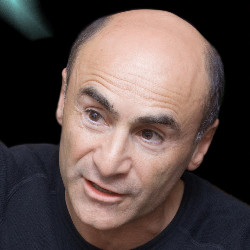 Ruben Abagyan, PhD, Professor, Skaggs School of Pharmacy and Pharmaceutical Sciences, University of California, San Diego
Professor
University of California, San DiegoDr. Ruben Abagyan is a Professor at the Skaggs School of Pharmacy and Pharmaceutical Sciences at the University of California, San Diego, which he joined in 2009. He received his Master’s and Ph.D. degrees in molecular physics at MPTI and MSU. At the European Molecular Biology Laboratory in Heidelberg he developed internal coordinate mechanics and structural docking approach (ICM) for modeling and docking. He received his tenure at New York University and Courant Institute of Mathematics and continued at the Novartis Institute and the Scripps Research Institute in La Jolla, California. Dr. Abagyan serves on international review panels for Institutes in Switzerland, UK, EU, and Hong Kong. He received CapCure awards, Princess Diana Award and medal in Sydney, Australia, American Association of Colleges of Pharmacy Teacher of the Year award, and UCSD-SSPPS 'Faculty of the Year' awards. R.A. authored and co-authored 340 research papers and book chapters, with over 40,000 citations and H-index of 96. His research interests include computational structural biology, methods for structure prediction, docking screens, and cheminformatics, with a particular focus on computer-aided drug and target discovery. In addition to molecular profiles, he also studies the FDA clinical records and unexpected post-marketing side effects of therapeutics.
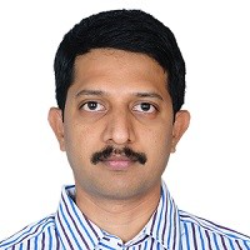 Chandrasekhar Abbineni, PhD, Senior Group Leader, Aurigene Discovery Technologies Limited
Senior Group Leader
Aurigene Discovery Technologies LtdDr. Chandrasekhar is a medicinal chemist with experience spanning 20 years at Aurigene Discovery Technologies and Dr. Reddy’s laboratories Ltd. He has obtained his Ph.D. in synthetic organic chemistry from JNTU, India. He has successfully led several Hit2Lead, Lead optimization, precandidate and candidate nomination campaigns in metabolic disorders and oncology therapeutic areas. He is co-inventor of a clinical candidate in phase I/II for CRPC and co-authored several publications and patents.
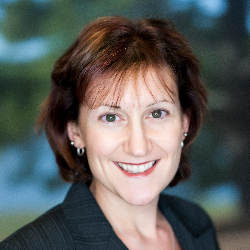 Samantha J. Allen, PhD, Scientific Director, High Dimensional Biology & Cellular Pharmacology, Janssen R&D LLC
Scientific Director
Janssen R&D LLCI'm currently a Director in the Therapeutics Discovery team at Janssen, working across the drug discovery portfolio. My team builds and implements cellular assays with a particular emphasis on high-content approaches to identify and differentiate molecules. Before joining Janssen in 2015, I spent 7+ years at Merck in the Structural Biology and Screening and Protein Sciences teams. Prior to joining Merck, I conducted postdoctoral work on chemokine receptors at UC-Berkeley and UCSD.
 Iris Alroy, PhD, Co-Founder & CSO, Anima Biotech
Co-founder & CSO
Anima Biotech IncIris Alroy, PhD, has over 25 years of experience in drug discovery, preclinical and early clinical development. Dr. Alroy has served as co-founder and CSO of Anima since 2015, supervising drug discovery and pipeline development in the emerging field of mRNA translation regulation. Prior to Anima, she acted as VP of Discovery at Proteologics and Pharmos Corp. and CEO of several startup biotech companies, including Fusimab Ltd. and ProMining Therapeutics Ltd.
Dr. Alroy earned her doctorate in Cell Biology from Cornell University and completed a post-doctoral fellowship at the Weizmann Institute. She has authored more than 20 scientific articles in peer-reviewed journals.
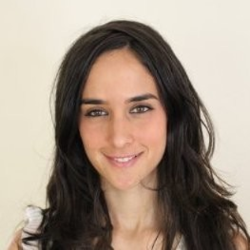 Michal Avital-Shmilovici, PhD, Research Scientist, Drug Discovery, SRI International
Research Scientist
SRI InternationalMichal Avital-Shmilovici received her BSc in Chemistry in 2007 from Tel Aviv University and MSc in Organic Chemistry in 2009 from the same institute under the supervision of Professor Doron Shabat. In her Masters, she developed self-immolative dendrimers as a potential platform for the amplification of chemical or biological signals, and as efficient diagnostic sensors. After finishing her Masters, she joined Professor Stephen B.H. Kent’s lab at the University of Chicago and obtained her PhD in 2014. In her PhD studies she used solid phase peptide synthesis and modern native chemical ligation methods to investigate proteins and explore their properties, structure and function. She focused on the design and implementation of the total chemical synthesis of proinsulin, improved synthesis of insulin and synthesis of analogues to enable the expanded investigation of insulin and proinsulin structure, function, and folding properties. In 2015 she joined SRI International as a postdoctoral fellow and is currently a research scientist at the same institute. At SRI International she leads a team developing a new platform that enables the production and screening of libraries of non-natural polymer macromolecules (called Techneins) as high-stability high-affinity reagents for various applications, such as drug discovery, detection and diagnostics.
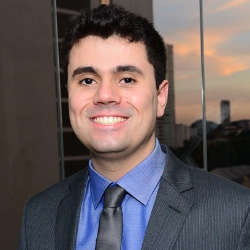 Hatylas Azevedo, PhD, MBA, R&D Manager, Drug Discovery, Aché Laboratórios
Drug Discovery Manager
Ache Labs SAHatylas Azevedo has a PhD in Genomics and Bioinformatics by the University of São Paulo. He is a Drug Discovery Manager at Aché Laboratórios, a leading Brazilian pharmaceutical company. He has several years of experience at the pharmaceutical industry as a leader of small-molecule drug discovery projects in the psychiatric, oncology, cardiovascular and respiratory fields - working with chemists and biologists to drive assay development, compound testing, molecular design and synthesis activities.
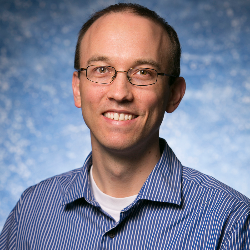 Nathan Baird, PhD, Associate Professor, Chemistry & Biochemistry, University of the Sciences in Philadelphia
Associate Professor
Univ of the Sciences in PhiladelphiaNathan Baird is an Associate Professor and Interim Chair in the Department of Chemistry & Biochemistry at the University of the Sciences in Philadelphia, where he has been since 2015. He completed his PhD studies at The University of Chicago in the labs of Tobin Sosnick and Tao Pan, where he investigated the structural underpinnings of RNA folding. During his postdoctoral training in the lab of Adrian Ferré-D’Amare (National Heart, Lung, and Blood Institute) he investigated the structural and conformational basis of riboswitch-small molecule interactions. Towards the end of his postdoctoral training he initiated a collaboration with Jim Inglese at the National Center for Advancing Translational Sciences to develop new high-throughput screening assays targeting tertiary structured RNA molecules. Since 2015 he has continued these efforts at USciences where his lab is interested in the development of novel assays for identifying and characterizing small molecules targeting structured RNAs involved in human health and disease.
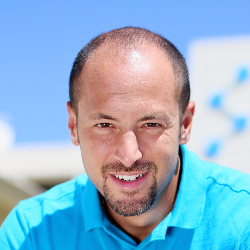 Phil Baran, PhD, Chair & Professor, Department of Chemistry, Scripps Research Institute
Chair & Professor
The Scripps Research InstitutePhil Baran was born in 1977 in Denville, New Jersey. He received his BS in Chemistry from NYU in 1997, his PhD at the Scripps Research Institute in 2001, and from 2001-2003, he was an NIH postdoctoral fellow at Harvard. His independent career began at Scripps in the summer of 2003. He currently holds the Darlene Shiley Chair in Chemistry. Phil has published over 200 scientific articles and has been the recipient of several ACS awards, such as the Corey (2015), Pure Chemistry (2010), Fresenius (2006), and Nobel Laureate Signature (2003), and several international distinctions, such as the Hirata Gold Medal and Mukaiyama Prize (Japan), the RSC award in Synthesis (UK), and the Sackler Prize (Israel). In 2013, he was named a MacArthur Foundation Fellow; in 2015, he was elected to the American Academy of Arts and Sciences; in 2016, he was awarded the Blavatnik National Award; and in 2017, he was elected to the National Academy of Sciences, USA. He has delivered hundreds of lectures around the world and consults for numerous companies, such as Bristol-Myers Squibb (since late 2005), Boehringer-Ingelheim, AstraZeneca, DuPont and TEVA, and is a scientific advisory board member for Eisai, Abide, and AsymChem. In 2016, he was appointed as an Associate Editor for the Journal of the American Chemical Society. He co-founded Sirenas Marine Discovery (2012) and Vividion Therapeutics (2016) and, in 2013, he co-authored The Portable Chemist’s Consultant, an interactive book published on the iBooks store along with his graduate class in Heterocyclic Chemistry (viewable for free by anyone on iTunes University). Outside of the lab, Phil enjoys spending time with his wife, Ana, and three young children, Lucia, Leah, and Manuel.
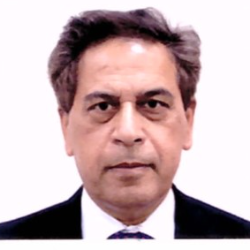 Tauseef Butt, PhD, President & CEO, Progenra, Inc.
President & CEO
Progenra IncTauseef Butt received his PhD degree in Molecular Biology from The University of Glasgow, Scotland. He was a Staff Fellow at the National Institutes of Health, Bethesda, MD, before joining SmithKline (now GSK) Pharmaceuticals. He serves as President and CEO of Progenra. He was an Adjunct Professor in Biochemistry and Biophysics, at University of Pennsylvania Medical School, Philadelphia, PA. He is also an Adjunct Professor in Biomedical Engineering at Drexel University, Philadelphia. He has been instrumental in raising ~$175 million capital. He is active in numerous national and regional professional organizations, including several dedicated to biotechnology.
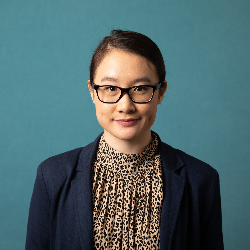 Beatrice Chiew, Graduate Student, Laboratory of Martin Scanlon, Medicinal Chemistry, Monash University
Laboratory of Martin Scanlon
Monash UniversityBeatrice completed her bachelor’s degree at the Monash Institute of Pharmaceutical Sciences in Australia, majoring in medicinal chemistry. She first worked with fragments during her honours year in the Scanlon lab, discovering potent inhibitors for HIV integrase. She is currently in the final year of her PhD candidature in which she focusses on developing methodologies to expedite the elaboration of fragments. These methodologies leverage chemoinformatically designed diverse reagent libraries, parallel microscale synthesis and off-rate screening by SPR. When she is not in the lab, Beatrice participates in science communication through various platforms like the 3-Minute Thesis competition, and her institution’s outreach program.
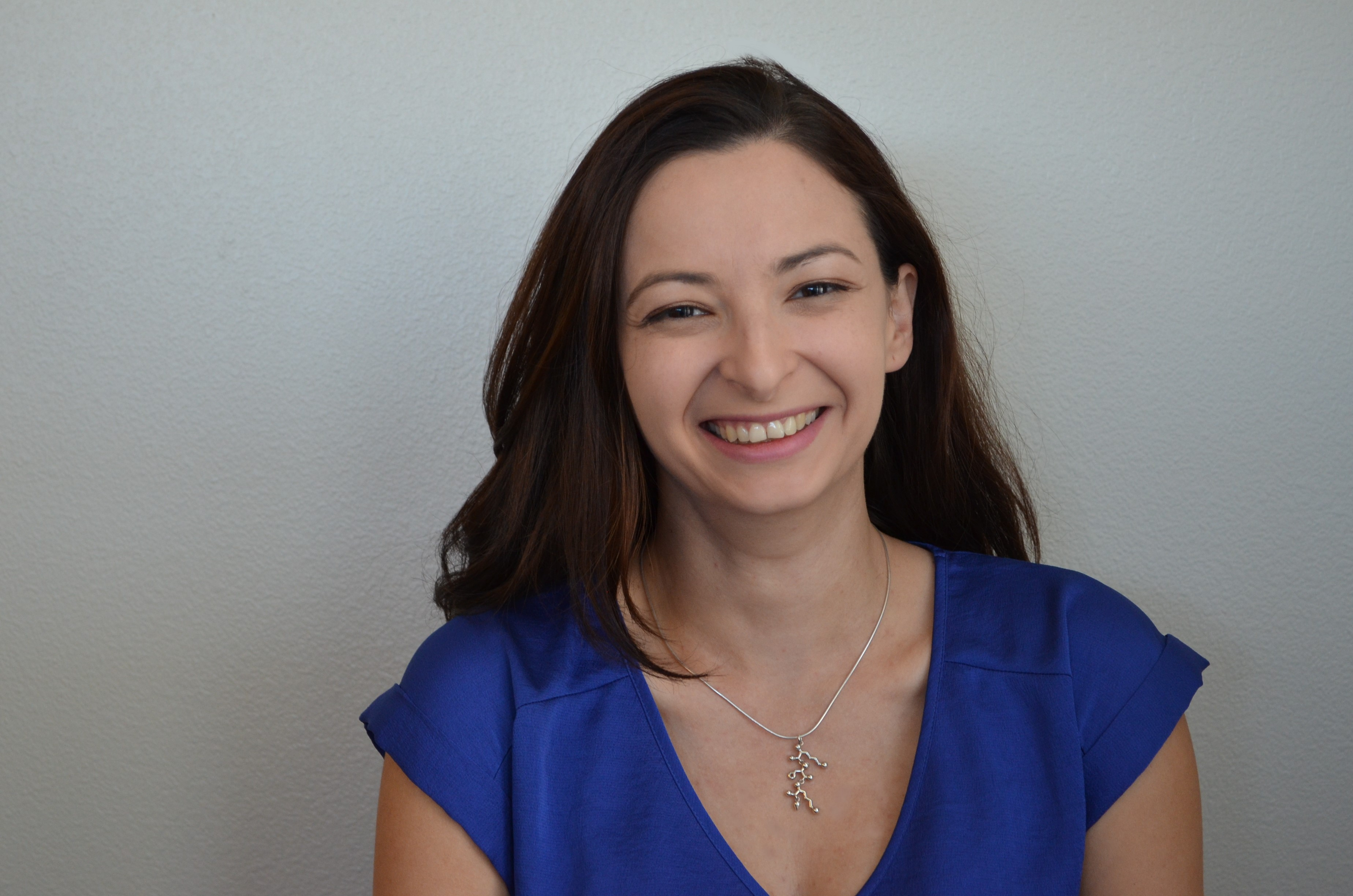 Ksenya Cohen Katsenelson, Senior Scientist Group Leader, San Diego R&D, Eurofins Discovery
Senior Scientist Group Leader
Eurofins DiscoveryDr. Ksenya Cohen Katsenelson is the group leader of R&D, Eurofins Discovery, responsible for developing new portfolio of biochemical assays. Prior to joining Eurofins, Ksenya was a postdoc research fellow at UCSD, where she focused on phosphatases in transcription regulation in cancer and inflammation. Ksenya holds a Ph.D. in Biomedical Sciences from the Technion – Israel Institute of Technology. She has 10+ years specializing in signal transduction, biochemistry, molecular and cell biology.
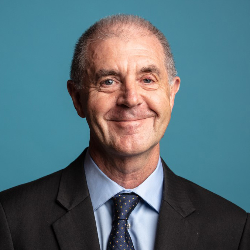 David J. Craik, PhD, Professor & UQ Laureate Fellow, The University of Queensland
Professor & UQ Laureate Fellow
The University of QueenslandDavid Craik is a Group Leader and Professor of Chemistry at the Institute for Molecular Bioscience at The University of Queensland, Brisbane, Australia. He obtained his Ph.D. in Organic Chemistry from La Trobe University in Melbourne, Australia and undertook postdoctoral studies at Florida State University and Syracuse University before taking up a lectureship at the Victorian College of Pharmacy in 1983. He was appointed Professor of Medicinal Chemistry and Head of School in 1988. He moved to University of Queensland in 1995 to set up a new biomolecular NMR laboratory, and is currently a UQ Laureate Fellow and the Director of the Australian Research Council Centre of Excellence for Innovations in Peptide and Protein Science. His research focuses on applications of cyclic peptides, toxins, and NMR in drug design. He is a Fellow of the Australian Academy of Science and the Royal Society and has received numerous national and international awards for his research, including the Ralph F. Hirschmann Award from the American Chemical Society. He has authored more than 850 papers and has trained 100 Ph.D. students over his career.
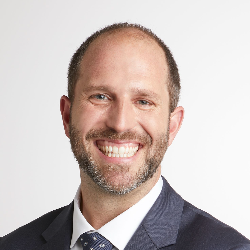 Christian N. Cunningham, PhD, Chief Scientific Officer, PeptiDream
Chief Scientific Officer
PeptiDream, Inc.Christian is currently the Chief Scientific Officer of PeptiDream, Inc., a global leader in the discovery, development, and commercialization of peptide-based therapeutics, peptide-drug conjugates, and radiopharmaceuticals. In this role he oversees PeptiDream’s internal therapeutic portfolio, manages all ex-Japan peptide discovery collaborations, and oversees all peptide discovery platform technology developments. Prior to this role, Christian was a Distinguished Scientist and Director of the Department of Peptide Therapeutics at Genentech. Christian received his PhD from the University of California, San Francisco with a Postdoc at Stanford University. Christian has authored 16 publications on his work over the last 10 years and is a named inventor on 5 published patents.
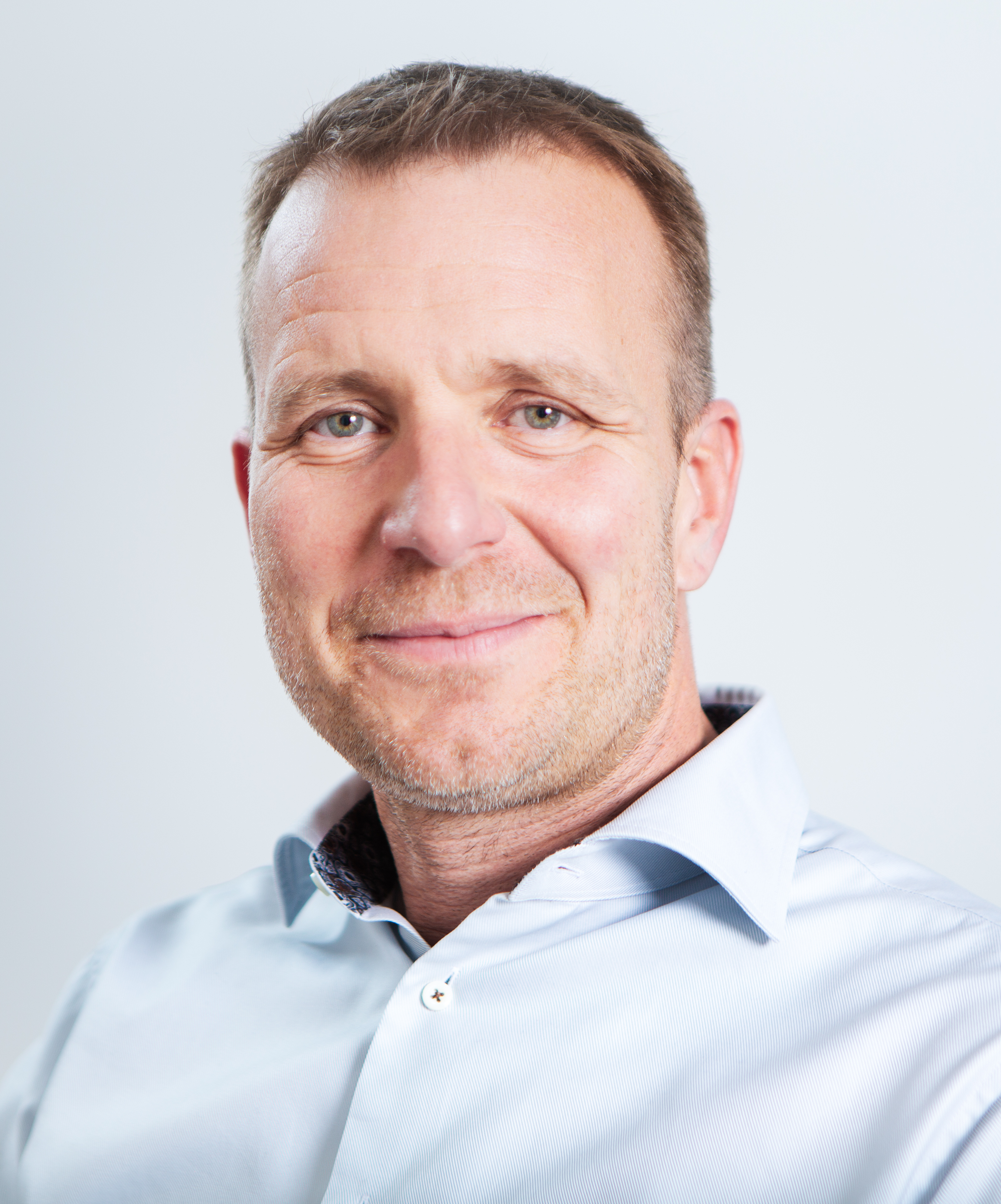 Michael Dabrowski, Co-Founder, CEO, Pelago Bioscience
Co-Founder, CEO
Pelago BioscienceMichael began his Drug Discovery career as an industrial Masters- and PhD-student at Novo Nordisk and worked as a postdoc on Type 2 diabetes. He then developed a long career at AstraZeneca: from senior scientist and technology expert, to project and scientific leader and manager. Through his diverse career, Michael has built a vast industry network and accumulated experience in Drug Discovery, from active laboratory activity, assay and test development, personnel manager, project management and overall portfolio responsibilities. Michael’s key strengths and experience are in establishing cross functional collaborations and Business Development.
 Upendra Dahal, PhD, Senior Principal Scientist, Pharmacokinetics and Drug Metabolism, Amgen, Inc.
Sr. Principal Scientist
Amgen IncUpendra is a Sr. Principal Scientist at Amgen, Inc. His current role involves representing PKDM (pharmacokinetics and drug metabolism) in multi-disciplinary project teams in discovery to development stages, designing in vitro and in vivo studies to understand PKDM properties of the project compounds, provide recommendation to the team to design better compounds with low metabolic and DDI liabilities. He spends time interpreting the results from in vitro and in vivo studies and making conclusions based on the data and proposing further studies to understand PKDM-related challenges and mitigate the risks. He routinely involves in preparing the documents for regulatory filings. Before joining Amgen Upendra worked at Celgene and Pfizer. Upendra has diverse research interests and has demonstrated a good track record of peer-reviewed publications in various areas.
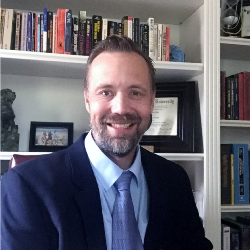 Russell Dahl, PhD, CEO, Neurodon Corp.
CEO
NeurodonDr. Russell Dahl is the CEO and founder of Neurodon Corporation, a pharmaceutical company developing novel small molecules for diabetes and neurodegeneration. He previously led all small molecule research at Celladon Corp., where he was responsible for progressing a diverse pipeline into the clinic. He started his career in industry at Agouron Pharmaceuticals and progressed through positions of increasing responsibility at DuPont Pharmaceuticals, BMS, Vertex, and Kemia, contributing to several IND filings and regulatory approvals. Russell received his PhD in organic chemistry from the University of California, San Diego as a DuPont Fellow, and he has additional training in molecular pharmacology from Stanford University.
 Achintya Das, Deputy Research Director, Research Informatics, Syngene International Ltd
Deputy Research Director
Syngene International LtdAchintya Das is Deputy Director of Research Informatics at Syngene. He has over two decades of experience in computational chemistry & biology, multiscale modelling & simulations, discovery informatics and artificial intelligence applications in pharma, consumer goods and other domains. Prior to Syngene, he was Director of Life Sciences & Computational Chemistry at Strand Life Sciences and setup the Supercomputing Centre for Bioinformatics & Computational Biology at IIT Delhi.
 Ben J. Davis, PhD, Research Fellow, Biology, Vernalis R&D Ltd.
Research Fellow
Vernalis (R&D) LtdDr. Ben Davis is a Research Fellow at Vernalis Research, a biotech company based in Cambridge UK which has been at the forefront of fragment-based approaches since 1998. An NMR spectroscopist and biophysicist by training, his current research focus is the development of biophysics and FBLD methods for challenging therapeutic targets and systems. Dr Davis studied for his PhD in protein folding and molecular interactions with Professor Alan Fersht at Cambridge University, and then studied the interactions of small molecules with proteins and RNA. He has over 20 years’ experience in the drug discovery industry. He has contributed to seven books over the last decade and is an author on more than forty scientific publications. He is a frequent speaker at scientific conferences and has been running FBLD training workshops since 2007.
 Ryan Denomme, Co-Founder, Chief Executive Officer, Nicoya, Inc
Co-Founder, Chief Executive Officer
Nicoya, IncRyan Denomme is the CEO and co-founder of Nicoya, a biotechnology company specializing in Surface Plasmon Resonance (SPR) platforms. As a nanotech engineer and alumni of the University of Waterloo, his relentless passion to solve the challenges faced by researchers is proven by his industry-disrupting products and numerous patents. Under Ryan’s leadership, Nicoya supports hundreds of researchers at leading biotechnology and pharmaceutical organizations to accelerate their next big discovery.
 Matthew T. Eddy, PhD, Associate Professor, Chemistry, University of Florida, Gainesville
Associate Professor
University of Florida GainesvilleMatthew Eddy received his PhD in physical chemistry from the Massachusetts Institute of Technology in the laboratory of Professor Robert Griffin. During his PhD, Dr. Eddy developed new approaches for using nuclear magnetic resonance (NMR) in the solid state to determine structures of membrane proteins in cellular-like environments. Following his PhD, Dr. Eddy joined the laboratories of Professors Raymond Stevens and Kurt Wüthrich at The Scripps Research Institute as an American Cancer Society Postdoctoral Fellow, applying an integrative structural biology approach to study human G protein-coupled receptors (GPCRs) and focusing on applications of nuclear magnetic resonance to improve our understanding of GPCR allosteric functions. Dr. Eddy is currently an assistant professor in the Department of Chemistry at the University of Florida and affiliated faculty of the National High Magnetic Field Laboratory. His group continues to study human GPCRs to understand the role of the cellular environment in regulating GPCR dynamics, structure, and function.
 Clinton Egbe, PharmD, Master’s Student in Drug Design and Discovery, University of Salford
Student
Univ Of SalfordPharmacist trained at the University of Benin, Nigeria. Currently studying for a Master's in Drug Design and Discovery at the University of Salford, Manchester. Interested in computational drug discovery and Bionanotechnology.
 Istvan Enyedy, PhD, Director, Black Diamond Therapeutics
Director Computational Chemistry
Black Diamond TherapeuticsIn the past 21 years Istvan J Enyedy has been involved in new target evaluation, in hit finding, in structure- and ligand-based hit-to-lead optimization, and in building machine learning models for predicting ADMET properties of compounds. He is coauthor on more than 50 publications and 14 patents/applications. He received his PhD in 1998 at Catholic University of America, Washington DC, and did postdoctoral training in Dr. Shaomeng Wang's group at Georgetown University Medical Center, Washington DC. Between 2001 and 2008 he worked at Bayer Pharmaceuticals, West Haven CT and Novartis Institutes for Biomedical Research in Cambridge MA.
 Daniel A. Erlanson, PhD, Chief Innovation Officer, Frontier Medicines Corporation
Chief Innovation Officer
Frontier Medicines CorporationDr. Daniel A. Erlanson is the Chief Innovation Officer for Frontier Medicines, which is using covalent fragments, machine learning, and chemoproteomics to target proteins often thought undruggable. Prior to Frontier he co-founded Carmot Therapeutics, where he contributed to two clinical-stage molecules. Before Carmot, Dr. Erlanson spent a decade developing fragment-based discovery technologies and leading medicinal chemistry projects at Sunesis Pharmaceuticals. Dr. Erlanson was an NIH postdoctoral fellow with James A. Wells at Genentech, earned his PhD in chemistry from Harvard University in the laboratory of Gregory L. Verdine, and his BA in chemistry from Carleton College. He has co-edited two books on fragment-based drug discovery and is an inventor on more than a dozen issued patents and an author of more than forty scientific publications. He also runs a blog devoted to fragment-based drug discovery, Practical Fragments (http://practicalfragments.blogspot.com/).
 Dominic Esposito, PhD, Senior Director, Protein Sciences, Septerna
Senior Director, Protein Sciences
SepternaDr. Esposito is currently the Director of the Protein Expression Laboratory (PEL) and Project Lead for the RAS Reagents Core at the Frederick National Laboratory for Cancer Research in Frederick, Maryland. The 38 employees in the PEL clone, express, and purify proteins from a variety of host organisms in support of the NCI RAS Initiative and for investigators at the National Institutes of Health. In addition, the PEL invents and develops novel technologies for improving protein expression and production, focused heavily on baculovirus expression technology and combinatorial cloning. Prior to his role as director, Dr. Esposito led the Clone Optimization Group in the PEL for nine years and was responsible for the generation of over 15,000 expression clones, 400 new expression vectors, and several technological innovations in protein expression. Dr. Esposito received his B.A. in Chemistry at La Salle University in Philadelphia, and his Ph.D. in Biochemistry in the laboratory of Dr. John Scocca at the Johns Hopkins University Bloomberg School where he studied bacteriophage site-specific recombination. Dr. Esposito then worked as a postdoctoral fellow in the laboratory of Dr. Robert Craigie at the NIDDK, where he studied the protein-DNA interactions involved in the HIV integration reaction. Prior to joining the FNL in 2001, Dr. Esposito worked for three years as a Staff Scientist in the Protein Engineering group at Life Technologies, where he helped to develop the Gateway recombinational cloning system. Dr. Esposito has published over 100 peer-reviewed manuscripts in the fields of protein expression and DNA recombination.
 Ghotas Evindar, PhD, Co-Founder & President, DEL Source; former DEL Platform Senior Manager, GSK; former Head of Research, Exo Therapeutics; former Head of Research, 1859
Co-Founder & President
DEL SourceDr. Ghotas Evindar is a recognized leader in drug discovery and a pioneer in DNA-Encoded Library (DEL) technology, with over two decades of experience advancing small-molecule therapeutics across the biotech and pharmaceutical industries. He currently serves as Co-Founder and President of DEL Source Inc., where he leads efforts to develop and apply DEL-based discovery platforms that enable the identification of novel therapeutics for challenging targets.
Previously, Dr. Evindar led DEL discovery at GlaxoSmithKline (GSK) as Senior Site Manager in Boston, guiding numerous programs from early hits to development candidates. Earlier in his career, he was a core member of the original Praecis Pharmaceuticals team that helped establish the DEL platform as a transformative drug discovery technology, and he began his industry career as a medicinal chemist at Vertex Pharmaceuticals. Dr. Evindar has also held senior leadership roles as Head of Drug Discovery at 1859 Inc. and Exo Therapeutics.
Dr. Evindar is widely recognized for his innovative contributions to DEL platform development, library design, and small-molecule discovery. A frequent speaker and educator, he actively supports the scientific community through industry courses, panels, and workshops focused on DEL innovation, AI-enabled screening, and the advancement of modern drug discovery.
 Eric Fischer, PhD, Associate Professor, Biological Chemistry and Molecular Pharmacology, Harvard Medical School; Director Center for Protein Degradation, Dana-Farber Cancer Institute
Associate Professor
Dana-Farber Cancer InstituteEric Fischer, PhD, is Assistant Professor of Biological Chemistry and Molecular Pharmacology at Harvard Medical School and a Principal Investigator in the Department of Cancer Biology at Dana-Farber Cancer Institute. His research focuses on understanding the complex mechanisms that underlie signaling through the ubiquitin proteasome system, and function and regulation of multi-component ubiquitin ligases and their role in disease. Leveraging the in depth understanding for therapeutic intervention through novel small molecule modalities is a second focus of his research, and has significantly contributed to our understanding of small molecule mediated protein degradation. Eric has been recognized for his pioneering work on the structure of cereblon and the mechanism of action of thalidomide, which continues to guide the development of IMiDs and related future drugs. His work has been instrumental for the growing field of small molecule protein degradation therapeutics. Eric also co-directs the newly formed Center for Protein Degradation, a unique collaboration between Dana-Farber and Deerfield Management. Eric completed his undergraduate training at the Universities of Hamburg (Germany) and Basel (Switzerland). His doctoral training was at the Friedrich Miescher Institute for Biomedical Research and the University of Basel in the laboratory of Dr. Nicholas Thomä, culminating in a PhD in structural biology conferred summa cum laude. As a part of his graduate research, Eric also spent time in the laboratory of Prof. Kaoru Sugasawa at Kobe University (Kobe, Japan) and with the Novartis Institutes for Biomedical Research. Eric was recruited to Dana-Farber and Harvard in 2015 to establish his research group. Eric has received numerous honors recognizing his research achievements and promise, including a 2015 Novartis Institutes for Biomedical Research Team Award winner, a 2018 Damon Runyon-Rachleff Innovation Award from the Damon Runyon Cancer Research Foundation, and an Emerging Leader Award from the Mark Foundation for Cancer Research.
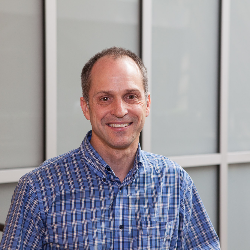 Stewart Fisher, PhD, CSO, C4 Therapeutics, Inc.
CSO
C4 Therapeutics IncDr. Fisher is the Chief Scientific Officer at C4 Therapeutics, a new biotechnology company focused on the selective recruitment of targets to E3 ligases for ubiquitination and degradation by the ubitiquin/proteasome system where he is responsible for strategic delivery of the project portfolio and collaboration management. Prior to joining C4, Dr. Fisher was the Director of Enzymology and Quantitative Biochemistry in the Center for the Development of Therapeutics at the Broad Institute. His group focused on the mechanistic analysis and quantitative assessment of protein:ligand interactions required for therapeutic discovery. Prior to joining the Broad Institute, Dr. Fisher spent 15 years at AstraZeneca in the Infectious Diseases Innovative Medicines Unit, where he led numerous antibacterial programs that progressed through Phase I clinical trials and was the Executive Director, Biological Sciences. His department supported the entire drug discovery project portfolio, from target validation to pharmacodynamics modeling in support of Phase III candidates. In addition, Dr. Fisher spent 2 years at Hoffmann LaRoche leading drug discovery programs in Metabolic Diseases. Dr. Fisher received his B.A. in Chemistry at the University of Vermont and Ph.D. in Chemistry at Caltech and was a National Institutes of Health Post-Doctoral Fellow at the Harvard Medical School with Professor Christopher T. Walsh.
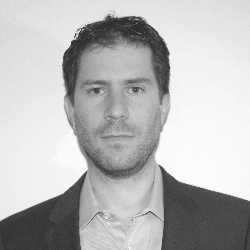 Raphael Franzini, PhD, Assistant Professor, Medicinal Chemistry, University of Utah
Assistant Professor
University of UtahRaphael M. Franzini received his PhD in Organic Chemistry from Stanford University under the supervision of Professor Eric T. Kool. He then went on to perform postdoctoral research in the group of Professor Dario Neri at ETH Zürich, Switzerland. In 2015, he was appointed as a faculty member in the Department of Medicinal Chemistry at the University of Utah. His research interests include the development of DNA-encoded libraries for drug discovery and bioorthogonal chemistry for applications in drug delivery and chemical biology.
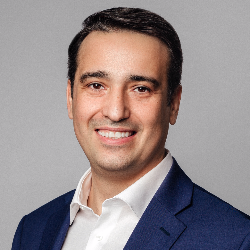 Evris Gavathiotis, PhD, Professor, Biochemistry, Albert Einstein College of Medicine
Professor
Albert Einstein College of MedicineDr. Evripidis (Evris) Gavathiotis is a Professor of Biochemistry, Medicine, and Oncology at Albert Einstein College of Medicine, and Co-Leader of the Cancer Therapeutics Program at Montefiore Einstein Comprehensive Cancer Center. He obtained his BSc in Chemistry from the University of Crete, Greece, and his PhD in Biological Chemistry from the University of Nottingham, UK. He completed postdoctoral research in Structural and Chemical Biology at Rockefeller University and Dana-Farber Cancer Institute and served as junior faculty at Harvard Medical School. He joined Albert Einstein College of Medicine in 2011 as an Assistant Professor and became Full Professor and achieved tenure in 2019. His research delves into the mechanisms of cell death and the discovery and optimization of small molecule modulators towards novel chemical tools and therapeutics. He has pioneered mechanistic insights into key cell death proteins, validated novel targets for mitochondrial apoptosis, mitochondrial dynamics, chaperone-mediated autophagy, senescence, and MAPK/ERK signaling, and developed first-in-class small molecules for several challenging targets. He has co-authored over 90 publications, garnering more than 25,000 citations, many in high-impact journals. He holds over 65 issued US patents and patent applications and 50 foreign patents. His contributions have been recognized with numerous prestigious awards, including the Sidney Kimmel Scholar Award, the Sinsheimer Scholar Award, the Gabrielle's Angel Foundation Medical Research Award, the Young Chemical Biologist Award, the Pershing Square Sohn Prize, the Irma T. Hirschl Career Scientist Award, the NYC BioAccelerator Prize, and the Julius Marmur Mentorship Award. In addition to his research and teaching, he has served on multiple NIH and European scientific review panels and science advisory boards. He is also a co-founder of five biotechnology companies, underscoring his commitment to translating scientific discoveries into therapeutic applications.
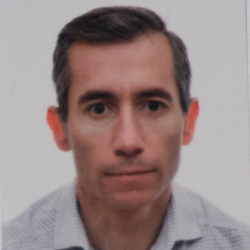 Felix Gonzalez-Lopez de Turiso, PhD, Senior Scientist, Medicinal Chemistry, BTMS, Biogen
Sr Scientist Medicinal Chemistry
BiogenFelix has been a medicinal chemistry team leader at Biogen for the past 4 years, where his group has been involved in the identification of novel molecular entities for the treatment of neurological disease. Prior to his role at Biogen, Felix worked at Amgen for 10 years where he held positions of increasing responsibility and was ultimately promoted to the role of principal scientist and team leader. During his research career, Felix has worked in teams that have identified six clinical candidates within three different therapeutic areas and he is a co-author in 17 publications, and a co-inventor in 16 patent applications.
 Ramachandraiah Gosu, Ph.D, Associate Director, Structural Biology, Jubilant Biosys Ltd.
Associate Director
Jubilant Biosys Ltd.•Ph.D (IISc, India); Postdoc (University of Minnesota, USA)
•Expertise: Gene-to-Structure, Protein Engineering & Macromolecular X-ray Crystallography
•Experience: 15+ years, 8 International publications
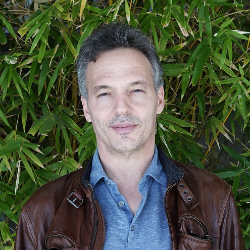 Mark Grillo, PhD, Staff Scientist, Drug Metabolism & Pharmacokinetics, MyoKardia Inc.
Staff Scientist
MyoKardia IncDr. Mark P. Grillo received his bachelor’s degree in Chemistry from the University of Minnesota. He completed his Ph.D. in Medicinal Chemistry at the University of Washington, Seattle and performed post-doctoral research at the University of California, San Francisco. He is currently a Staff Scientist and Project Team Leader in the Department of Drug Metabolism and Pharmacokinetics at MyoKardia, Inc., South San Francisco. Prior to MyoKardia, Mark held positions at Pharmacia/Pfizer (Kalamazoo, MI), Merck (West Point, PA), and at Amgen (South San Francisco, CA). Mark’s role has been and continues to be involved in the application of in vitro and in vivo ADME techniques to optimally support drug discovery and development programs. Throughout his career in industry, Mark has contributed to 39 peer reviewed manuscripts and 4 book chapters. A continued research interest of his includes the use of state-of-art in vitro and mass spectrometric methods for the detection of chemically-reactive metabolites in support of the discovery and development of safe and efficacious drugs.
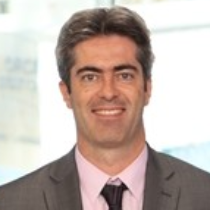 Vincent Guerlavais, PhD, Senior Director, Chemistry, Protagonist Therapeutics Inc.
Senior Director
Protagonist Therapeutics IncDr. Vincent Guerlavais has served as Senior Director, of chemistry at Protagonist Therapeutics since July 2020. Prior to joining Protagonist, Dr. Guerlavais has served from 2013 to 2019 as Director, Head of medicinal chemistry at Aileron Therapeutics. Dr. Guerlavais has focused his research the past 10 years on the design of bioactive cell-permeable macrocyclic peptides. Under his leadership and in collaboration with F. Hoffmann-La Roche, Aileron has successfully advanced the first-in-class dual MDM2/MDMX inhibitor, Sulanemadlin (ALRN-6924) to clinical development. Previously, Dr. Guerlavais began his professional career at Medarex (now Bristol Myers Squibb) in 2002 where he designed ultra-potent cytotoxic prodrugs chemically linked with fully human antibodies. His work contributed to the development of the company's first Antibody-Drug Conjugate (ADC) clinical candidate MDX-1203. Dr. Guerlavais graduated from the University of Montpellier in France (2000) under the supervision of Professor Jean Martinez. His thesis research led to the discovery of the orally available ghrelin agonist AEZS-130 (MacrilenTM) which has been FDA approved in 2017 for the diagnosis of adult growth hormone deficiency and is now being investigated for the treatment of cancer cachexia
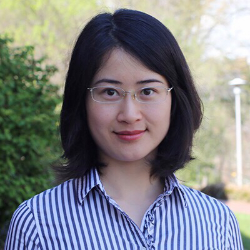 Cathy Cen Guo, PhD, Clinical Pharmacology Lead, Pfizer Inc.
Clinical Pharmacologist
Pfizer IncCen Guo received her PhD in Pharmaceutical Sciences from University of North Carolina at Chapel Hill. She is currently a clinical pharmacology lead for late-stage oncology assets at Pfizer based in San Diego. Her research experience spans from in vitro ADME and mechanistic PK modeling to clinical pharmacokinetics, with special interest in transporters and drug interactions.
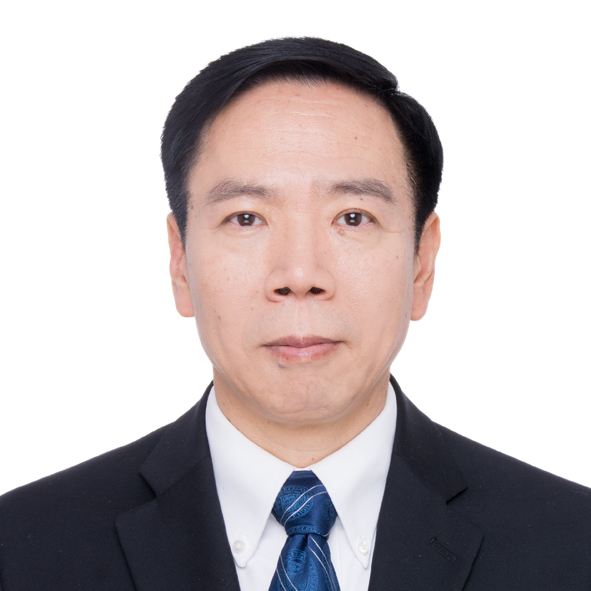 Tao Guo, VP & Head, International Discovery Service Unit, Research Service Division, WuXi AppTec
VP & Head, International Discovery Service Unit
WuXi AppTecTao has over 27 years of experience in drug discovery. He was trained as an organic chemist with PhD from Columbia University and PostDoc from UC Berkeley. He is the recipient of 43 issued US patents and an inventor of 10 clinical candidate compounds with 1 approved by FDA.
 Amit Gupta, Product Manager, Research & Development, NanoTemper Technologies, Inc
Product Manager
NanoTemper Technologies, IncAmit Gupta has a BSc and MSc in Cell Biology from the University of Osnabrück. He received his Ph.D. degree for his work on chaperone-mediated protein folding at the Max-Planck Institute of Biochemistry in Martinsried. Currently, Amit is the responsible Product Manager at NanoTemper Technologies for the Dianthus and Monolith NT.Automated product lines.
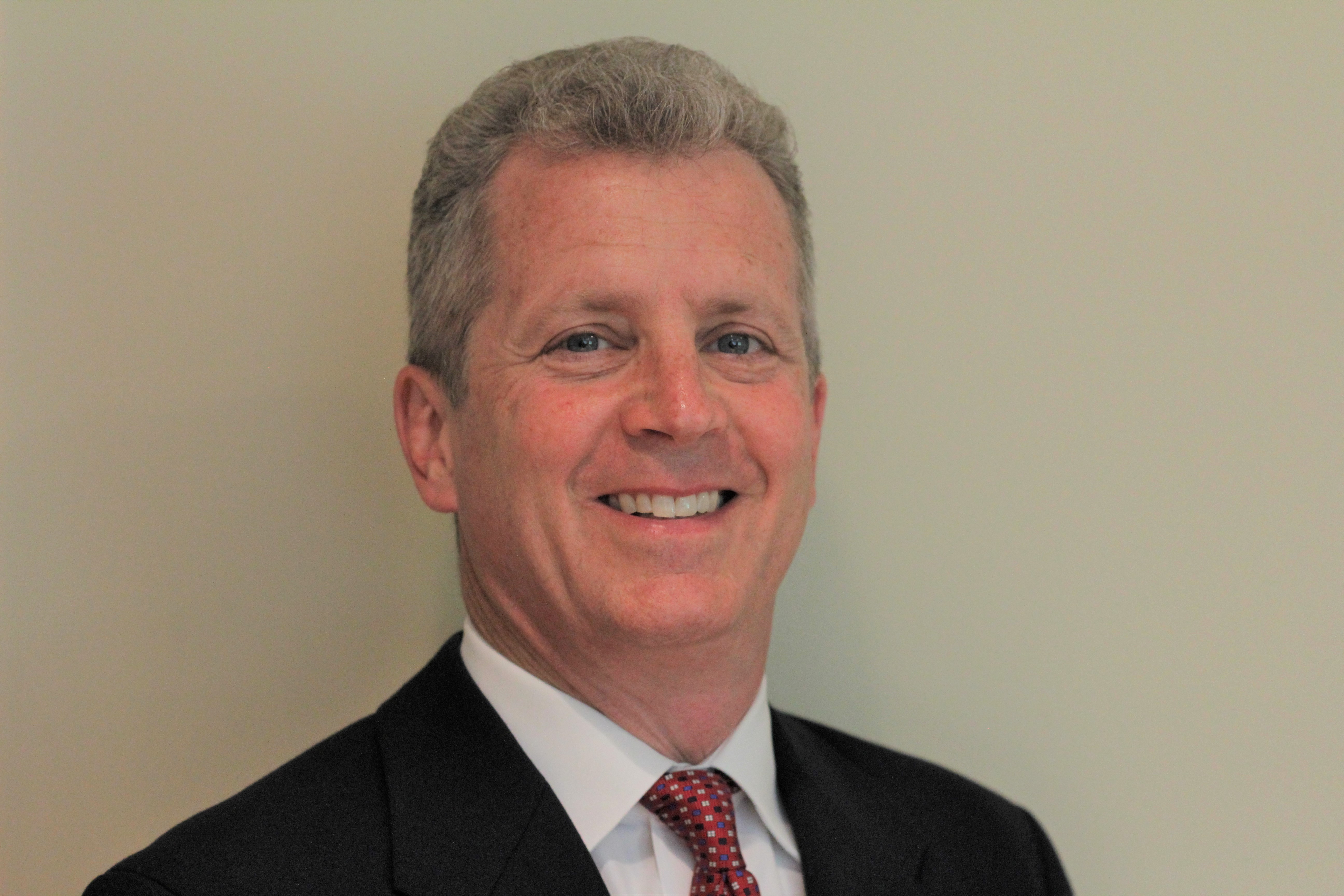 Gary Gustafson, PhD, Applications Specialist, CAS
Applications Specialist
CASGary holds a PhD in Organic Chemistry and has worked as a medicinal chemist at various companies helping advance two different compounds into clinical trials. Since joining CAS, Gary serves as a technical expert and provides customer training on CAS products.
 Justin Hall, PhD, Principal Scientist, Structural Biology & Biophysics, Pfizer
Principal Scientist
Pfizer IncJustin Hall is from Southern Oregon. He received his BS in Chemistry/Physics from Eastern Washington University. He received his PhD in crystallography/biophysics in the laboratory of Dr. Elisar Barbar. In 2018 he received OSU’s Young Alumni Award. He works at Pfizer Pharmaceuticals in Boulder, Colorado and serves the scientific community as an industry advisor for academic and nonprofit organization.
 Moderator: Mary Harner, PhD, Senior Manager, Oncology CI, Bristol Myers Squibb Co.
Senior Manager
Bristol Myers Squibb CoMary recently became a Senior Manager in the Oncology Competitive Intelligence group at Bristol-Myers Squibb. This role in Business Insights supports Commercial & Medical organizations with a lens to competitor asset pre- and early clinical development. Prior to that she was a Principal Scientist within Lead Discovery & Optimization at BMS , leading the small molecule biophysics platform. With a broad training in biophysics and structural biology, Mary has spent the majority of her career in drug discovery as part of fragment and HTS screening & triaging functions, applying expertise in protein/ligand-based NMR, TSA, MST, and SPR across multiple therapeutic areas. Mary earned a BS in Biochemistry from Elizabethtown College, a PhD in Pharmaceutical Sciences from the University of North Carolina, and trained as a Damon Runyon Postdoctoral Fellow at Vanderbilt University prior to joining BMS in 2014.
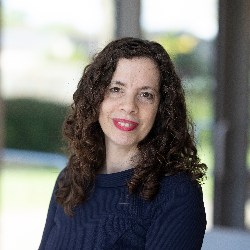 Laura Itzhaki, PhD, Professor of Structural Pharmacology, Department of Pharmacology, University of Cambridge; CSO, PolyProx Therapeutics
Reader Protein Engineering & Molecular Therapeutic
Univ of CambridgeDr. Laura Itzhaki has over 20 years’ experience leading academic research in the field of protein engineering. She has a BA in Chemistry (Oxford) and PhD in Biochemistry (Cambridge). From 2003 to 2011 her group was located at the MRC Cancer Cell Unit in Cambridge UK, and she is currently a Professor in the Department of Pharmacology at the University of Cambridge. In 2019, she secured seed finance for PolyProx Therapeutics to develop biotherapeutics harnessing the cell’s quality-control machinery to destroy disease-associated proteins that cannot be targeted by conventional drug modalities.
 Amol Jadhav, PhD, Industry Consultant, Transformational Health, Frost & Sullivan
Industry Consultant
Frost & SullivanAmol Jadhav has spent the last decade deriving rich experience across Diagnostics Devices, Biopharmaceutical discovery & Bioengineering sectors working with leading research institutions such as University College London, UC Berkeley and Scripps Research Institute. As a part of the Frost & Sullivan, Healthcare and Life Sciences business team, Amol has extensively interacted with pharma industry, start-ups and academia on AI, Big Data consulting projects. Prior to that his experience includes working with Innoplexus AG, an emerging European AI champion that develops AI/Big Data, Blockchain products and solutions for the life sciences industry. Amol holds an MS in Business Analytics from The University of Cincinnati (USA) and MSc in Biomedical Nanotechnology, PhD Engineering from Newcastle University (UK).
 Jenifer Kaplan, PhD, Principal Scientist I, Novartis Institutes for Biomedical Research
Principal Scientist I
Novartis Institutes for Biomedical ResearchMy PhD training was in biophysical characterization of protein-protein interactions and I did a short post-doctoral fellowship looking at small-molecule-protein interactions. Since then, I've characterized biotherapeutics and small molecules and their interactions with the targets using a diverse set of methods.
 Andrew Kennedy, Global Product Manager, Gyros Protein Technologies
Global Product Manager
Gyros Protein TechnologiesAndrew Kennedy, Global Product Manager, Gyros Protein Technologies specializes in novel peptide synthesis applications. Following his PhD in Organic Chemistry at University of Glasgow, he specialized in Peptide Chemistry Process Development with a major peptide manufacturer. He has held several senior scientist positions focusing on validation of novel medical devices.
 Susmita Khamrui, PhD, Post-Doctoral Fellow, Pharmacological Sciences, Icahn School of Medicine at Mont Sinai Hospital
PostDoc Fellow
Icahn School of Medicine at Mount SinaiI am currently working as a post-doctoral fellow in Dr. Micharl Lazarus’s laboratory in the Department of Pharmacological Sciences, Icahn School of Medicine at Mount Sinai, New York. I received my PhD in Life Sciences from Saha Institute of Nuclear Physics, Kolkata, India. I have done my MSc in Biophysics from University of Kalyani, India and BSc in Physics from University of Calcutta, India.
My interest is to explore the protein-protein interaction by solving their crystal structure. Recently I have grown interest in developing small molecule inhibitors against some proteins relevant to diseases.
 Franca Klingler, Head, Discovery Services, BioSolveIT
Head
BioSolveITFranca Klingler heads the Discovery Services department of BioSolveIT since 2015. Trained as a chemist she obtained her PhD in pharmacy from Goethe University, Frankfurt, Germany. Her key activities are the support of research institutions with in silico methods and steering research towards the successful exploration of vast chemical space.
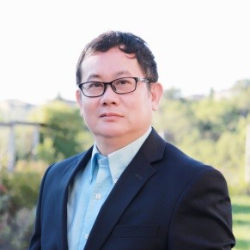 Yurong Lai, PhD, FAAPS, Senior Director, Drug Metabolism, Gilead Sciences
Sr Dir Drug Metabolism
Gilead Sciences IncDr. Lai is a Senior Director of Drug Metabolism at Gilead Sciences. He is a fellow of AAPS and holds an Adjunct Faculty position in the Department of Pharmacy of the University of Rhode Island. His current role in Gilead is to manage DM-drug disposition labs and DMPK reps to oversee the discovery and development projects through implementing in vitro/in vivo preclinical/clinical strategies for compound advancement to regulatory filing. He received his MD from Fujian Medical University in China and his PhD (Toxicology) from Sapporo Medical University in Japan in 1998. From 1998 to 2001, he was a research fellow of Japanese Society for Promotion (JSPS) in Department of Physiopathology, Graduate School of Medicine of Hokkaido University, followed by a position as Research Associate in Department of Pharmaceutics, University of Washington. In 2004, he joined pharmacokinetics, dynamics and metabolism (PDM), PGRD in St. Louis and then moved to Groton in 2010, Pfizer Inc. and had been serving as a PDM representative (PI), postdoc supervisor and lab head for drug transporter research. In 2013, he joined BMS. He has been a research fellow and had a significant role in translational researches in transporter associated ADME-PK-Tox. In 2017, he moved to Gilead Science. He is a patent inventor and the author of a book, book chapters and over 130 original publications in the peer-reviewed journal. He is associate editor/editorial board member of top ranking DMPK journals including Frontier Pharmacology, DMD, BDD, JPS, etc.
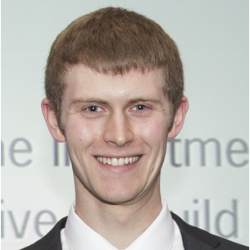 Robert Law, PhD, Investigator, Medicinal Chemistry, GSK Medicine Research Centre
Medicinal Chemist
GlaxoSmithKlineRobert Law gained his undergraduate degree in Chemistry from the University of Bristol, including a year on an industrial placement with AstraZeneca. He graduated in 2012 and subsequently joining the GSK/University of Strathclyde Collaborative PhD programme, working at GSK Stevenage on the design and synthesis of bromodomain inhibitors. On completion of his PhD in 2016 he joined GSK full time as a medicinal chemist, working on targeted protein degradation and leading the chemistry effort for the FAK Protac project.
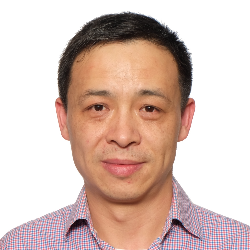 Xiaoyu Li, PhD, Associate Professor, Chemistry, University of Hong Kong
Associate Professor
University of Hong Kong1993-1997, BS in Chemistry, Peking University, China; 1997-2002, PhD The University of Chicago (with Professor David Lynn); 2002-2004, Postdoctoral Research Fellow, Harvard University (with Professor David Liu); 2004-2007 Senior Scientist, Ensemble Discovery, USA; 2007-2009 Research Scientist, The Broad Institute; 2009-2015 Associated Professor, Peking University; 2015-present Associated Professor, The University of Hong Kong.
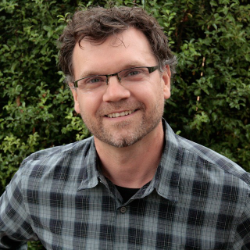 Scott Lokey, PhD, Professor, Chemistry and Biochemistry, University of California, Santa Cruz
Professor
University of California, Santa CruzScott Lokey received his PhD at the University of Texas, Austin in Organic Chemistry, where his research centered on the synthesis of molecules that fold into protein-like shapes in water and bind to specific DNA sequences. He did post-doctoral research at Genentech, where he worked on the synthesis of bioactive cyclic peptides, and then at Harvard Medical School, on the synthesis of molecules designed to disrupt cellular processes related to motility. He joined the faculty at UCSC in 2002 in the Department of Chemistry and Biochemistry, where his research group focuses on the relationship between molecular structure and drug-like properties, especially cell permeability. Professor Lokey is also Director of the UCSC Chemical Screening Center, a high-throughput screening facility dedicated to early-stage lead discovery, especially against infectious agents and neglected disease targets.
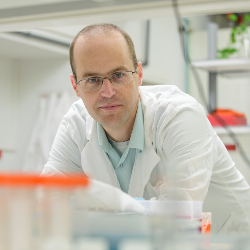 Nir London, Associate Professor, Chemical and Structural Biology, Weizmann Institute of Science
Associate Prof.
Weizmann Institute of ScienceDr. Nir London received his PhD from the Hebrew University in 2011. He joined the Department of Pharmaceutical Chemistry at the University of California, San Francisco, as an EMBO post-doc fellow starting in 2012, and joined the Weizmann Institute as a senior scientist in 2015. Dr. London's lab is focused on covalent chemical biology and drug discovery and has developed several technologies for the design of covalent inhibitors. His honors include the Chorev Award by the Israeli Chemical Society, the Dimitris N. Chorafas Foundation Award, a postdoctoral award from the Program for Breakthrough Biomedical Research. Most recently he also received the Alon fellowship, an award of excellence from the Israel Cancer Association and the Breast Cancer Research Foundation – AACR Career Development Award for Translational Breast Cancer Research. Recently Dr. London was selected for the IUPAC periodic table of young chemists.
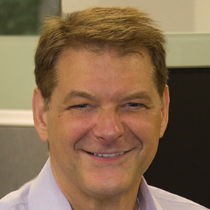 Kevin Lumb, D.Phil., Vice President, Discovery Sciences, Monte Rosa Therapeutics
Vice President
Monte RosaTherapeuticsDr. Lumb is Vice President, Discovery Sciences, at Monte Rosa Therapeutics. He previously held roles at Bayer, Merck and Janssen leading groups performing preclinical small molecule and peptide drug discovery. He obtained a B.Sc. in Chemistry at University College London and a D.Phil. at the University of Oxford under the tutelage of Sir Christopher M. Dobson, followed by postdoctoral studies at the Whitehead Institute at MIT with Professor Peter S. Kim.
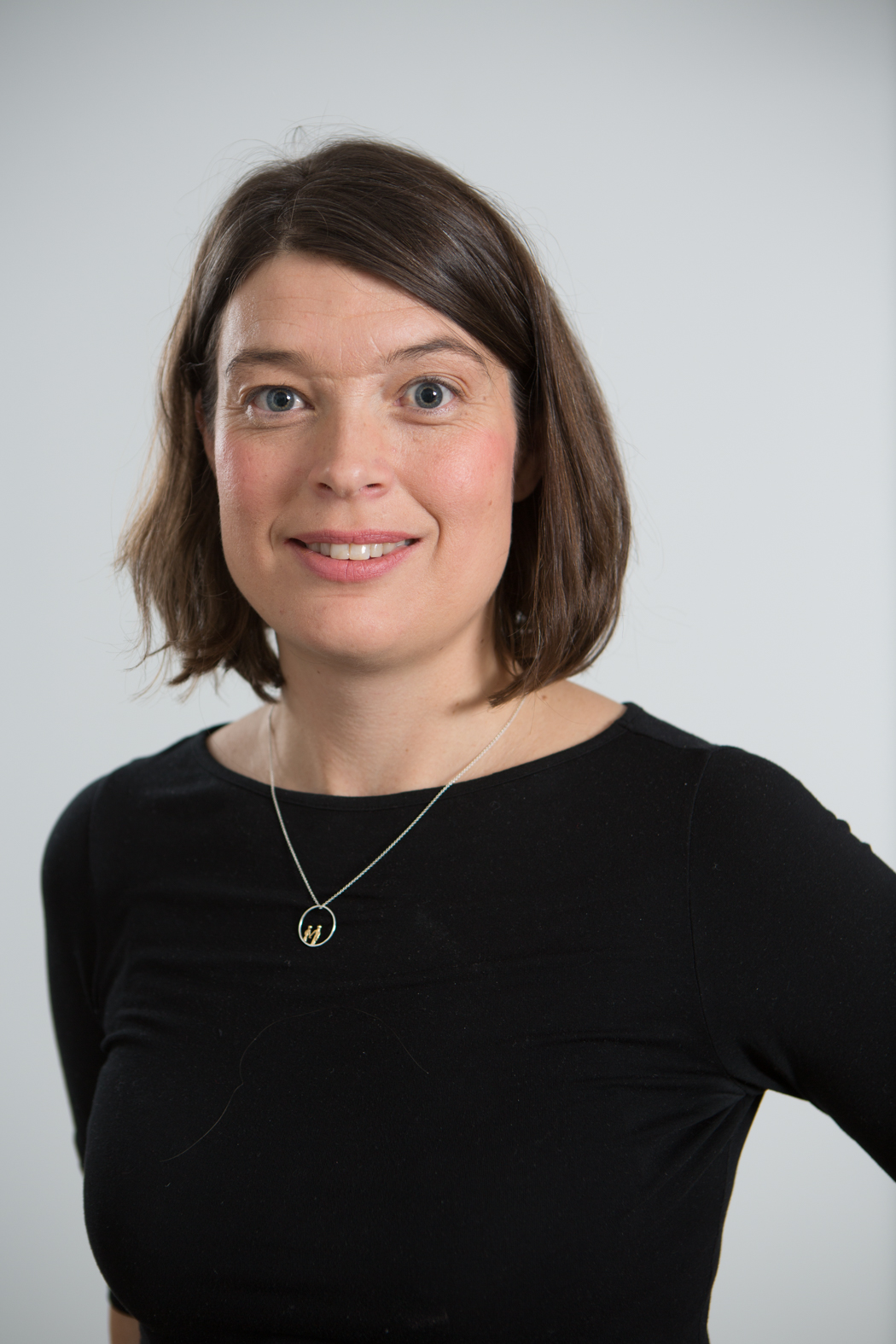 Stina Lundgren, Principal Project Advisor, Pelago Bioscience
Principal Project Advisor
Pelago BioscienceStina Lundgren is a Principal Project Advisor at Pelago Bioscience with long experience as a medicinal chemist working on multiple small molecule programs across all phases of drug discovery. Prior to joining Pelago Bioscience, she was a Principle Scientist at Medivir responsible for establishing a DUB research platform and managing projects in the drug discovery pipeline.
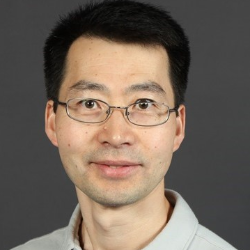 Bin Ma, PhD, Senior Scientist, Medicinal Chemistry, Biogen
Sr Scientist
BiogenBin Ma is a senior scientist in the department of medicinal chemistry at Biogen. Bin received his BS and MS degree in chemistry from Lanzhou University and a PhD degree in organic chemistry from Boston University. Bin gained his postdoc training at Harvard University in Professor Kishi’s labs. In 2007, Bin moved to Biogen as a medicinal chemist and started his industrial career. Bin contributed multiple development candidates in multiple therapeutic areas at Biogen including BIIB068, gained extensive experience on target validation, hit ID, lead optimization, candidate selection and preclinical development, served as a leader for chemistry teams and project teams. Bin’s current efforts focus on the drug discovery for neurodegenerative diseases.
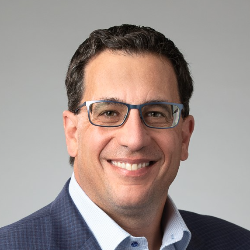 Matthew A. Marx, PhD, Senior Vice President, Drug Discovery, Mirati Therapeutics, Inc.
Senior Vice President
Mirati TherapeuticsMatt is the head of Drug Discovery at Mirati Therapeutics, responsible for preclinical advancement of their KRAS portfolio as well as several other targeted cancer therapies. Prior to Mirati, Matt was the head of chemistry at Takeda California, with earlier roles at Pfizer, where he started his career and became head of the oncology chemistry group in their Groton, CT site.
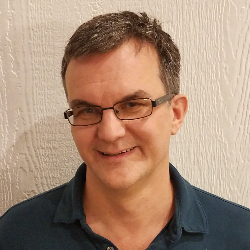 John D. McCarter, PhD, Principal Scientist, Discovery Technologies, Amgen, Inc.
Principal Scientist
Amgen IncJohn McCarter is Head of Affinity Screening Technologies at Amgen where he leads a group focusing on the discovery and characterization of small molecule ligands by affinity mass spectrometry and other techniques. At Amgen John has overseen the execution of over 80 high throughput screens and provided quantitative biology support to more than 30 medicinal chemistry programs. Prior to joining Amgen in 2000, John was a Senior Scientist and Project Leader at Axys Pharmaceuticals where he contributed to the Cathepsin K program leading to the clinical development (partnered with Merck) of odanacatib for the treatment of osteoporosis. He was a Canadian Institutes of Health Research (formerly Medical Research Council of Canada) postdoctoral fellow in the laboratory of Prof. Jack Kirsch at the University of California, Berkeley and earned his Ph.D. in Chemistry studying mechanisms and inhibitors of glycosidases at the University of British Columbia with Prof. Stephen Withers.
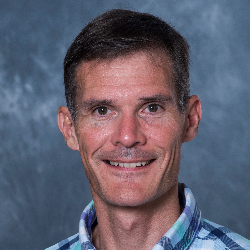 Campbell McInnes, PhD, Professor, Drug Discovery & Biomedical Sciences, University of South Carolina
Professor
University of South CarolinaCampbell McInnes, PhD, is Professor in Medicinal Chemistry at the University of South Carolina in Columbia, has experience in Drug Discovery in both Industry and in Academia. Prior to joining USC, he was the Head of Structure-Based Drug Design at Cyclacel Pharmaceuticals, a company started by Professor Sir David Lane, one of the discoverers of the P53 tumor suppressor protein. Research in the McInnes Laboratory centers on discovering novel chemical entities based on inhibiting protein-protein interactions and specifically focuses on using the REPLACE methodology, a structure-guided fragment-based design approach employing the techniques of computational chemistry, structural biology, and synthetic organic chemistry. REPLACE is being applied to develop selective kinase inhibitors where a clear rationale for kinase selectivity has been established or where targeting the ATP binding site is problematic and current targets include PLK1, CDK2, and BRAF. Dr. McInnes has also founded the PPI Pharmaceuticals, LLC, to commercialize his academic discoveries.
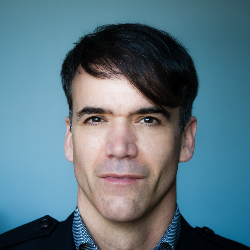 Dustin McMinn, PhD, Senior Director, Head of Chemistry, Kezar Life Sciences
Senior Director Medicinal Chemistry
Kezar Life SciencesDr. Dustin McMinn is Senior Director and Head of Medicinal Chemistry at Kezar Life Sciences where he leads Kezar’s principal discovery program developing small molecule Sec61 inhibitors for treatment of cancer and autoimmune disorders. He joined Kezar at its inception having previously led the medicinal chemistry group at Onyx Pharmaceuticals. At Onyx, Dr. McMinn was project leader behind the discovery of the selective immunoproteasome inhbitor, KZR-616, now licensed to Kezar and in Phase 1/2 clinical studies for treatment of several autoimmune disorders. Prior to Onyx, Dr. McMinn served more than 10 years as a medicinal chemist at Amgen making contributions to several drug discovery programs aimed at protein-protein interactions, GPCR-like proteins, kinases and other drug targets to include Amgen’s MDM2 program culminating in AMG 232, presently in clinical trials. Dr. McMinn obtained his doctorate in organic chemistry at Colorado State University under the direction of Professor Marc M. Greenberg (now at Johns Hopkins University) and performed his postdoctoral research at the Scripps Research Institute with joint appointment to Professors Floyd Romesberg and Peter Schultz.
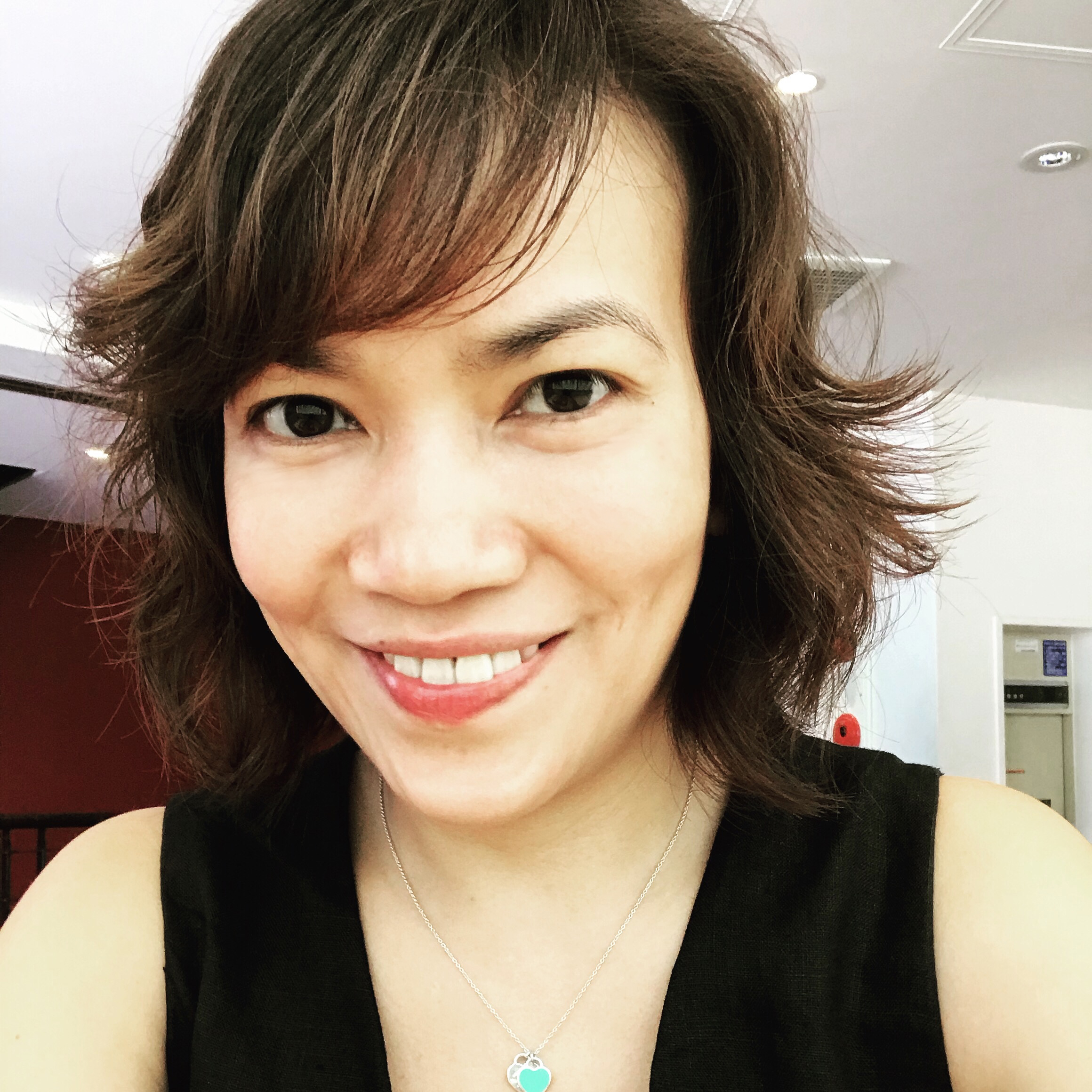 Ella Morishita, Senior Investigator, Basic Research Division, Veritas In Silico
Senior Investigator
Veritas In SilicoElla Morishita is a Senior Investigator at Veritas In Silico. She is in-charge of in silico analysis for identifying druggable motifs on the mRNA and structure-based hit-to-lead optimization. Ella received training in macromolecular crystallography and her PhD from the Tokyo Institute of Technology in 2007. Since then, she worked on challenging drug targets in academia, and in 2018, moved to Veritas In Silico with the goal of realizing mRNA-targeted small-molecule drugs.
 Songqing Na, PhD, Senior Research Advisor, Biotechnology and Autoimmunity, Eli Lilly & Co.
Senior Research Advisor
Eli Lilly & Co
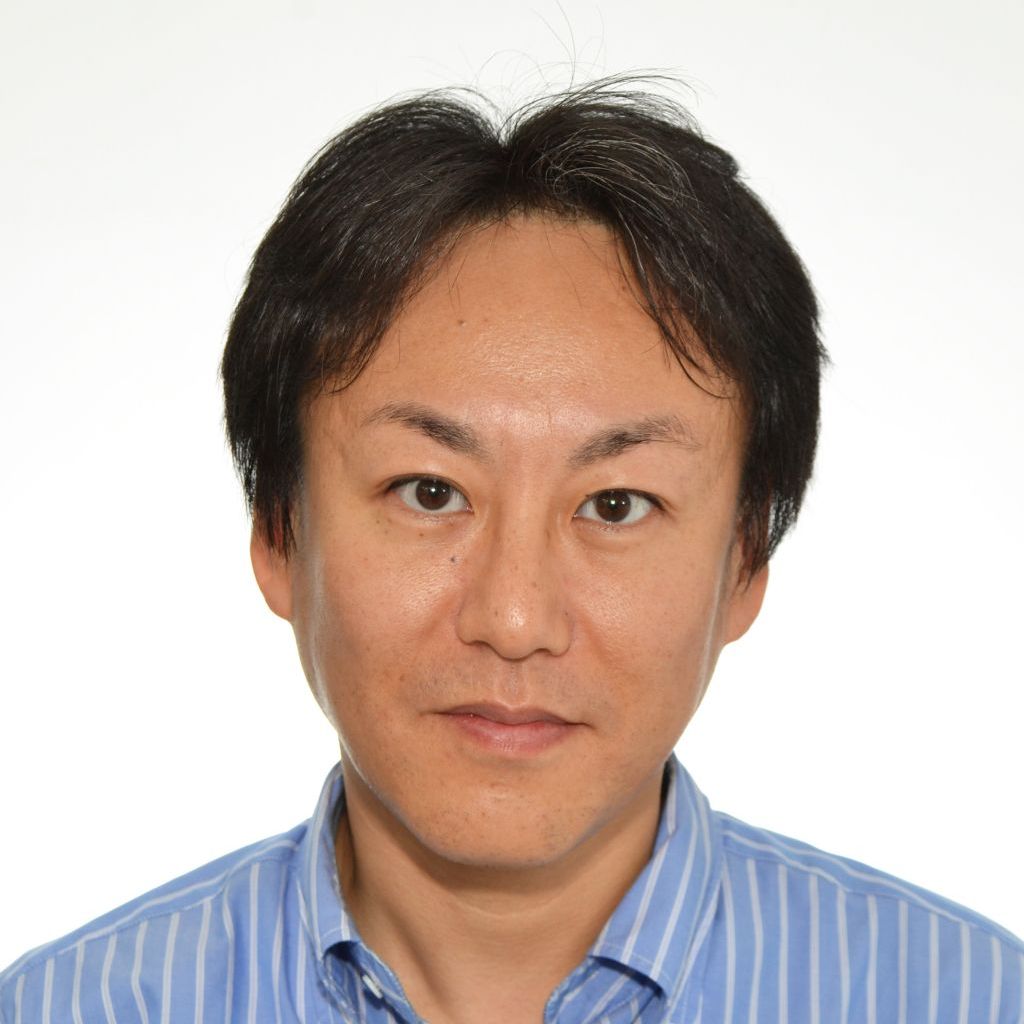 Shingo Nakamura, CEO, Veritas In Silico
CEO
Veritas In SilicoShingo Nakamura is the founder and CEO of Veritas In Silico. The company’s mRNA-targeted drug discovery platform is an amalgamation of his RNA research at Takeda Pharmaceutical Company and Yale University, organic chemistry training at Nagoya University, and long-standing interest in computer science. Shingo has a diverse backgound, with experiences in research, business, and investment. He utilizes his background to run the biotech and still takes part in the drug discovery science as an originator.
 Christopher Nasveschuk, PhD, Vice President, Chemistry, C4 Therapeutics, Inc.
VP Chemistry
C4 Therapeutics IncChris joined C4 Therapeutics in February 2016 and serves in the role of Vice President, Chemistry. Most recently Chris was at the Broad Institute, where he led a group of medicinal chemists in projects in the cancer, metabolism, and autophagy disease areas at the Center for the Development of Therapeutics. Prior to the Broad, Dr. Nasveschuk was an integral member of the team at Constellation Pharmaceuticals where he co-invented the EZH2 inhibitor CPI-1205 and helped to discover the BET inhibitor CPI-0610. He holds a PhD in Organic Chemistry from Colorado State University and a BS in Chemistry from Middlebury College.
 Julien Orts, PhD, (or former lab member), Associate Professor, Pharmaceutical Sciences, University of Vienna
Associate Professor
University of ViennaJulien Orts was trained in Physics & Biophysics and graduated jointly from the Max Planck Institute for Biophysical Chemistry and the European Molecular Biology Laboratory under the guidance of Prof. Carlogmano and Prof. Griesinger. During that time, he developed the INPHARMA method that can experimentally assess the quality of docking poses of fragments and drugs in the receptor-binding site using only unlabeled protein (ug) from cell extra. Julien joined the BioNMR laboratory at the ETH Zurich led by Prof. Riek, first as a post-doc and then as a junior group leader, where he developed new NMR methods, such as the exact NOEs that improve the NOE accuracy by order of magnitude.
In 2021, he relocated to the University of Vienna, joining the Division of Pharmaceutical Chemistry as an Assistant Professor. Since 2024, he has held the position of Associate Professor and scientific director of the NMR facility. His laboratory specializes in Drug Discovery through advanced NMR methods, encompassing integrated approaches for rapid determination of protein-ligand complex structures, NMR-based drug design, protein allostery, and the thermodynamics of protein-protein and protein-ligand interactions.
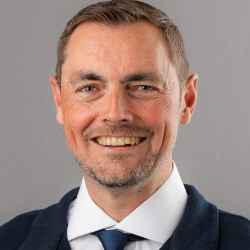 Brian M. Paegel, PhD, Professor, Pharmaceuticals Sciences, University of California, Irvine
Professor
University of California, IrvineBrian M. Paegel earned his undergraduate degree in chemistry from Duke University and his Ph.D. in chemistry from UC Berkeley as a student of Richard Mathies working on miniaturized and integrated DNA sequencing technology development in collaboration with the Human Genome Project. He pursued postdoctoral studies in chemical biology and molecular evolution under the mentorship of Gerald Joyce at Scripps Research. He was the recipient of both a NIH National Research Service Award (F32) and a Pathway to Independence Award (K99/R00). In 2008, Paegel was appointed to the Scripps Research chemistry faculty and received the NIH Director’s New Innovator award and an NSF CAREER award in recognition of his contributions in reaction miniaturization. In 2019, Paegel rejoined the University of California System where he is Professor in the Departments of Pharmaceutical Sciences, Chemistry, and Biomedical Engineering at Irvine. His laboratory develops chemical synthesis methodology for the preparation of solid-phase DNA-encoded libraries and engineers accompanying analytical instrumentation to conduct activity-based "off-DNA" library screens. Looking forward, Paegel is exploring droplet-compatible assay concepts that could render the entire proteome "druggable" and fulfill the long-standing vision of the Genome Project to translate DNA sequence into drugs.
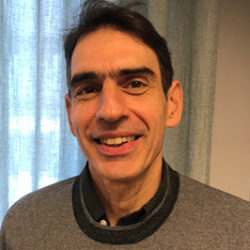 Santiago Parpal, PhD, Principal Scientist, Biology, Sprint Bioscience
Principal Scientist
Sprint BioscienceCell biologist researcher with more than 16 years’ experience in the pharmaceutical industry with small molecule projects (10 years in Astra Zeneca and 6 years at Sprint Bioscience). I have worked at all stages of preclinical drug discovery, from target and hit identification to lead optimization and preparing for IND filing. At Sprint Bioscience I act as Biology Project Leader of our vps34 program, where we have discovered selective and potent inhibitors of the lipid kinase vps34. In vivo, this compound turns cold tumors into hot and improves response to immune checkpoint inhibitors (PLx) in melanoma and colorectal cancer.
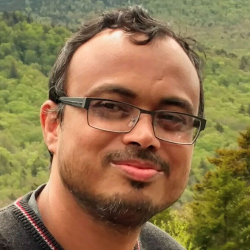 Pabitra Parua, PhD, Assistant Scientist, Department of Oncological Sciences, Icahn School of Medicine at Mount Sinai
Assistant Scientist
Icahn School of Medicine at Mount SinaiI am currently working as an Assistant Scientist in Dr. Robert Fisher’s laboratory in the Department of Oncological Sciences, Icahn School of Medicine at Mount Sinai, New York. I received my Ph.D. in Life Sciences from Bose Institute, India. I earned my M.Tech. in Biotechnology from Jadavpur University, India; M.Sc. in Biochemistry from the University of Kalyani, India; and B.Sc. in Chemistry from the University of Calcutta, India. I have been working in the field of regulation of gene expression for the last fifteen years to address fundamental questions in transcription regulation in diverse systems—Escherichia coli (E. coli), budding yeast, fission yeast, and human cells.
My primary research interest is to systematically analyze the roles of distinct kinase-phosphatase circuits in the regulation of Pol II-dependent transcription in yeast and human cells, to obtain novel mechanistic insights into each stage of the transcription cycle, and to identify new targets for therapeutic invention in diseases such as cancer.
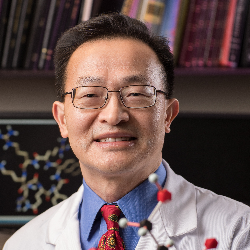 Dehua Pei, PhD, Professor, Chemistry & Biochemistry, Ohio State University
Kimberly Professor
Ohio State UniversityDr. Pei is currently the Kimberly Professor of Chemistry and Biochemistry at the Ohio State University. Prior to joining Ohio State in 1995, he earned his PhD degree in organic chemistry from University of California, Berkeley and was a postdoctoral fellow at Harvard Medical School.
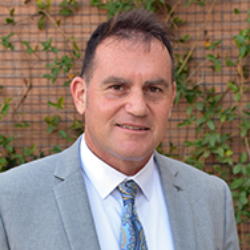 Maurizio Pellecchia, PhD, Professor, Biomedical Sciences Division, University of California, Riverside
Professor
University of California, RiversideOur laboratory focuses on the design, synthesis and evaluation of novel pharmacological tools in the areas of cancer, neurodegeneration, and potentially other disease areas, using innovative drug discovery approaches. The overall goal of the laboratory is to bring together basic sciences including modern nuclear magnetic resonance spectroscopy (NMR) techniques, X-ray crystallography, computer modeling, traditional medicinal synthetic chemistry, and cell biology to elucidate the molecular basis of disease and to design novel pharmacological tools that serve for target validation and to develop novel therapeutic agents. A central theme of our laboratory is the development of novel methodologies to tackle protein-protein interactions (PPIs) as targets for drug discovery, and to further advance our most promising agents into potential therapeutics.
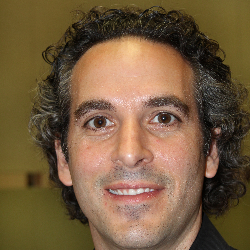 Scott Pesiridis, PhD, Associate Fellow & Scientific Leader, Discovery Biology, GlaxoSmithKline
Associate Fellow & Scientific Leader
GlaxoSmithKline
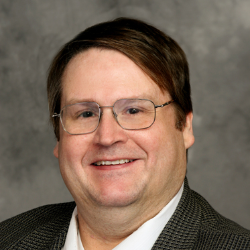 Mark L. Peterson, PhD, COO, Cyclenium Pharma
COO
Cyclenium Pharma IncPrior to co-founding Cyclenium in December 2013, Dr. Peterson was Vice President, IP & Operations at Tranzyme Pharma where he led the chemistry R&D efforts during the technology development stage of the company and the initiation of its multiple successful GPCR drug discovery programs. He later focused on building and maintaining an extensive portfolio of over 120 patents and applications protecting Tranzyme’s pioneering technology and pharmaceutical product candidates. Previously with Monsanto and Advanced ChemTech, he has worked successfully in a wide variety of research areas including structure-based design, solid phase organic chemistry, combinatorial libraries, synthesis automation, heterocycles, unnatural amino acids, peptides and peptidomimetics. A native of Wisconsin, he received his PhD in Organic Chemistry from Washington State University (asymmetric synthesis) and conducted postdoctoral research at the University of Minnesota (anti-viral carbocyclic nucleosides) prior to starting his industrial career. He is author or co-author of over 90 publications and abstracted presentations plus three book chapters, has co-edited one book, and is co-inventor on over 40 patents.
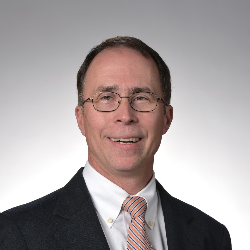 Andrew M. Petros, PhD, Senior Principal Research Scientist, Protein & Assay Sciences, AbbVie, Inc.
Senior Principal Research Scientist
AbbVie IncAndrew M. Petros received his PhD in Biochemistry from Carnegie Mellon University in 1987. While at Carnegie Mellon, he used NMR spectroscopy to characterize ligand binding to the kringle domains from the protein plasminogen. After a brief postdoctoral stint at Smith, Kline and French Laboratories, he joined the Research NMR group at Abbott Laboratories in 1989. Currently, he leads the Protein NMR group at AbbVie. Over the years his research has focused on structure-based drug discovery, fragment-based drug discovery, lead characterization, and the use of various biophysical techniques, especially NMR, to study protein structure and function as it relates to drug discovery.
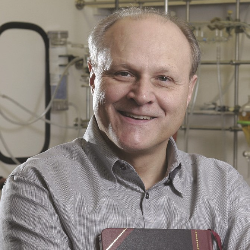 Michael C. Pirrung, PhD, Distinguished Professor, Chemistry, UC-Riverside; Professor, Pharmaceutical Sciences, UC-Irvine
Distinguished Professor
University of California, RiversideMichael Pirrung trained as a synthetic chemist at UT-Austin, UC-Berkeley, and Columbia University. In the late 1980s, he joined a working group of scientists forming a then-new company, Affymax, establishing a chemistry program focusing on new methods of creating chemical diversity. His work there included the co-invention of microarrays, and his Science paper on this work received the 1991 AAAS-Newcomb Cleveland Prize. He is Fellow of the American Institute of Chemists and the National Academy of Inventors. He has held Hertz, Sloan, and Guggenheim fellowships and an NSF Presidential Young Investigator Award. In 2004 Pirrung joined the UC-Riverside Chemistry department as UC Presidential Chair, in 2012 was named Distinguished Professor, and in 2013 added a post at UC-Irvine in Pharmaceutical Sciences. His research emphasizes organic and peptide synthesis, medicinal chemistry, and bioluminescence. He has >180 peer-reviewed publications and over 40 US and international patents, and has authored six books.
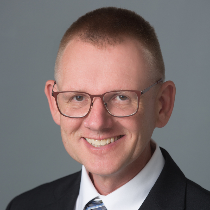 Michael Plewe, PhD, Senior Vice President, Medicinal Chemistry, Cullgen Inc.
SVP Medicinal Chemistry
Cullgen IncMichael Plewe is Senior Vice President – Medicinal Chemistry at Cullgen Inc., a company dedicated to the development of novel approaches for targeted protein degradation in oncology and immune disease. Before joining Cullgen in 2018 as Vice President of Medicinal Chemistry he was the Head of Chemistry at Arisan Therapeutics, a start-up focused on developing novel treatments for neglected viral diseases. Prior to Arisan, he was an Associate Research Fellow and project leader at Pfizer Inc. working in multiple therapeutic areas including oncology, ophthalmology, antivirals, and diabetes. He was a medicinal chemist at Agouron and Vical. Dr. Plewe completed his postdoctoral training at the University of California in Irvine, and earned his Ph.D. and Diploma in organic chemistry from the University of Konstanz in Germany.
 William Pomerantz, PhD, Professor, Department of Medicinal Chemistry, University of Minnesota, Twin Cities
Professor
University of Minnesota, Twin CitiesWilliam C. K. Pomerantz received his BS in chemistry from Ithaca College in 2002, followed by a Fulbright Fellowship at ETH, Zurich with Professors François Diederich and Jack Dunitz. He obtained a PhD in chemistry under Professors Sam Gellman and Nick Abbott at the University of Wisconsin-Madison and was a postdoctoral fellow under Professor Anna Mapp at the University of Michigan. He joined the chemistry faculty at the University of Minnesota in 2012 and was granted tenure in 2018. He is currently a McKnight Presidential Fellow. His research focuses on the development of chemical biology and medicinal chemistry approaches for modulating protein-protein interactions. Protein-Observed Fluorine NMR (PrOF NMR) is one such tool in his lab that is being developed as a new method for fragment-based ligand discovery (FBLD) and has been applied towards inhibiting a diverse area of epigenetic protein complexes. Professor Pomerantz is currently the global council co-chair for the International Chemical Biology Society and Early Career Board Member for ACS Med. Chem. Lett.
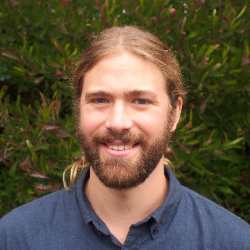 Cameron Pye, PhD, CEO and Co-Founder, Unnatural Products
CEO and Co-Founder
Unnatural ProductsCameron Pye got his PhD in Chemistry from UC Santa Cruz where he worked on developing cell permeable cyclic peptides in the lab of Scott Lokey. During the final year of his PhD program, he and a fellow graduate student founded Unnatural Products, a macrocycle discovery platform company focused on solving the hit-to-lead challenges associated with cyclic peptide drug discovery. Unnatural Products has built a preclinical pipeline of passively cell permeable macrocycles against intracellular targets and is working with select partners to help them achieve small molecule-like PK with their cyclic peptide modalities.
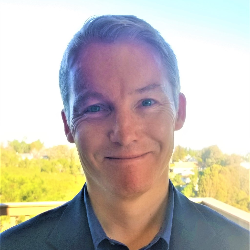 John Quinn, PhD, Distinguished Scientist, Biophysical Group, Biochemical and Cellular Pharmacology, Genentech
Distinguished Scientist & Head
Genentech IncJohn Quinn is currently a distinguished scientist specializing in biophysics within Biochemical and Cellular Pharmacology at Genentech supporting SMDD pipeline projects. He is particularly interested in the practical exploitation of kinetics for applications that are of value in preclinical SMDD. He received a PhD in Applied Immunology and Biochemistry from Dublin City University (DCU) and after a postdoc position developing biosensors at DCU, he joined Texas Instruments, Dallas, TX, working on the development of SPR devices. This technology was later licensed to Nomadics, Inc., and he joined them to head the development and commercialization of the SensiQ Pioneer as CSO. His interests in drug discovery led him to take a principal scientist position at Takeda California leading a biophysical group where his group supported both LM and SM projects.
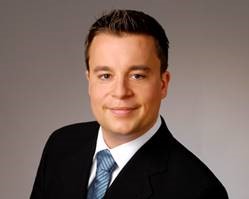 Michael Raba, Program Director & Deputy Head, Crelux, Crelux, WuXi AppTec
Program Director & Deputy Head, Crelux
WuXi AppTecMichael Raba is Deputy Head of the Department Biophysics and Screening at CRELUX – a WuXi AppTec company. Michael obtained his PhD from the Ludwig-Maximilians-University Munich, followed by postdoctoral studies at the Karolinska Institute in Stockholm.
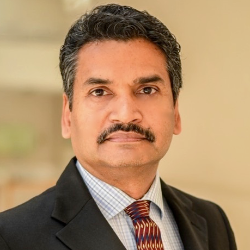 Murali Ramachandra, PhD, CEO, Aurigene Oncology Ltd.
CEO
Aurigene Discovery Technologies LtdDr. Murali Ramachandra is the CEO at Aurigene Discovery Technologies Limited, a biotech company engaged in drug discovery for cancer and inflammatory diseases. He received his PhD from University of Idaho (USA), and postdoctoral training from University of Kansas Medical Center and DuPont Experimental Station. Prior to his current role, he has held the position of the Chief Scientific Officer at Aurigene, and positions of increasing responsibility at Schering-Plough Pharmaceuticals and US National Cancer Institute. He has contributed to the identification of 16 novel drug candidates, co-authored 60 publications in international peer-reviewed journals and is an inventor of 18 granted US patents.
 Arvind Rao, PhD, Associate Professor, Department of Computational Medicine and Bioinformatics, University of Michigan
Associate Professor
University of MichiganArvind Rao is an Associate Professor in the Department of Computational Medicine and Bioinformatics at the University of Michigan. His group uses image analysis and machine learning methods to link image-derived phenotypes with genetic data, across biological scale (i.e. single cell, tissue and radiology data). Such methods have found application in radiogenomics and drug repurposing based on phenotypic screens. Arvind received his PhD in Electrical Engineering and Bioinformatics from the University of Michigan, specializing in transcriptional genomics, and was a Lane Postdoctoral Fellow at Carnegie Mellon University, specializing in bioimage informatics.
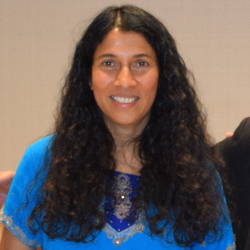 Anokha S. Ratnayake, PhD, Principal Scientist, Design and Synthesis Sciences, DNA Encoded Library Technology Group, Pfizer Global R&D Groton Laboratories
Director, Discovery Chemistry
Nurix TherapeuticsI am a Principal Scientist at Pfizer Groton, CT. I received my MSc degree in Chemical Engineering from Imperial College-University of London and PhD in Natural Products and Organic Synthesis from University of Hawaii at Manoa (2003). I received academic and industrial postdoctoral training from University of Utah and Wyeth Research, respectively. I worked in natural products and medicinal chemistry-based programs for about 4 years before entering the antibody-drug conjugate (ADC) field in 2010. In 2017, I moved to the DNA-Encoded Library Technology (DELT) group where I currently work on validating on-DNA chemistries and developing and optimizing analytical methods for monitoring on-DNA chemical transformations.
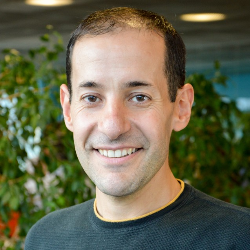 Hasane Ratni, PhD, Distinguished Scientist & Project Team Leader, Medicinal Chemistry, F. Hoffmann-La Roche AG
Expert Scientist & Project Team Leader
F Hoffmann La Roche AGHasane Ratni is currently an Expert Scientist, Medicinal Chemistry, at F. Hoffmann-La Roche Ltd., pRED, Pharma Research & Early Development, Roche Innovation Center Basel, Switzerland. He received his PhD at the University of Geneva and did a post-doc at Tokyo before joining F. Hoffmann-La Roche Ltd in 2001. His research has mainly been devoted to the areas of neuroscience (for example neurokinin receptors, or V1a receptor antagonist now in human clinical trials, phase II, for autism). In 2005, he participated in a secondment within the Roche group at Chugai Pharmaceutical Co. Ltd, Gotemba Japan, in the field of renal disease. He was the chemistry discovery project leader of the SMN program aiming for a treatment for spinal muscular atrophy, now undergoing clinical trials in patients. His current focus is on gamma secretase modulator for Alzheimer disease. He is an author or co-author of more than 100 patents and publications. In 2014, he received the Roche Leo Sternbach Award for Innovation in Chemistry, in 2016 the Gold medal at the Roche Patent Inventor’s recognition event and in 2020 the Senior Industrial Award from the Swiss Chemical Society.
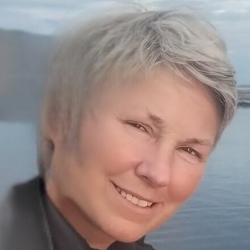 Jenny Sandmark, PhD, Former Associate Principal Scientist, Drug Discovery, AstraZeneca R&D
Formerly at AstraZeneca
Gyros Protein TechnologiesJenny Sandmark obtained her PhD in X-ray crystallography from Karolinska Institutet in Stockholm, Sweden. She was at AstraZeneca from 2003 through 2025 taking up a role as protein crystallographer in the department of Structure, Biophysics and Fragment-Based Lead Generation. She is supporting in a large number of early drug development projects spanning several therapeutic areas, such as cardiovascular, respiratory and neurological disease.
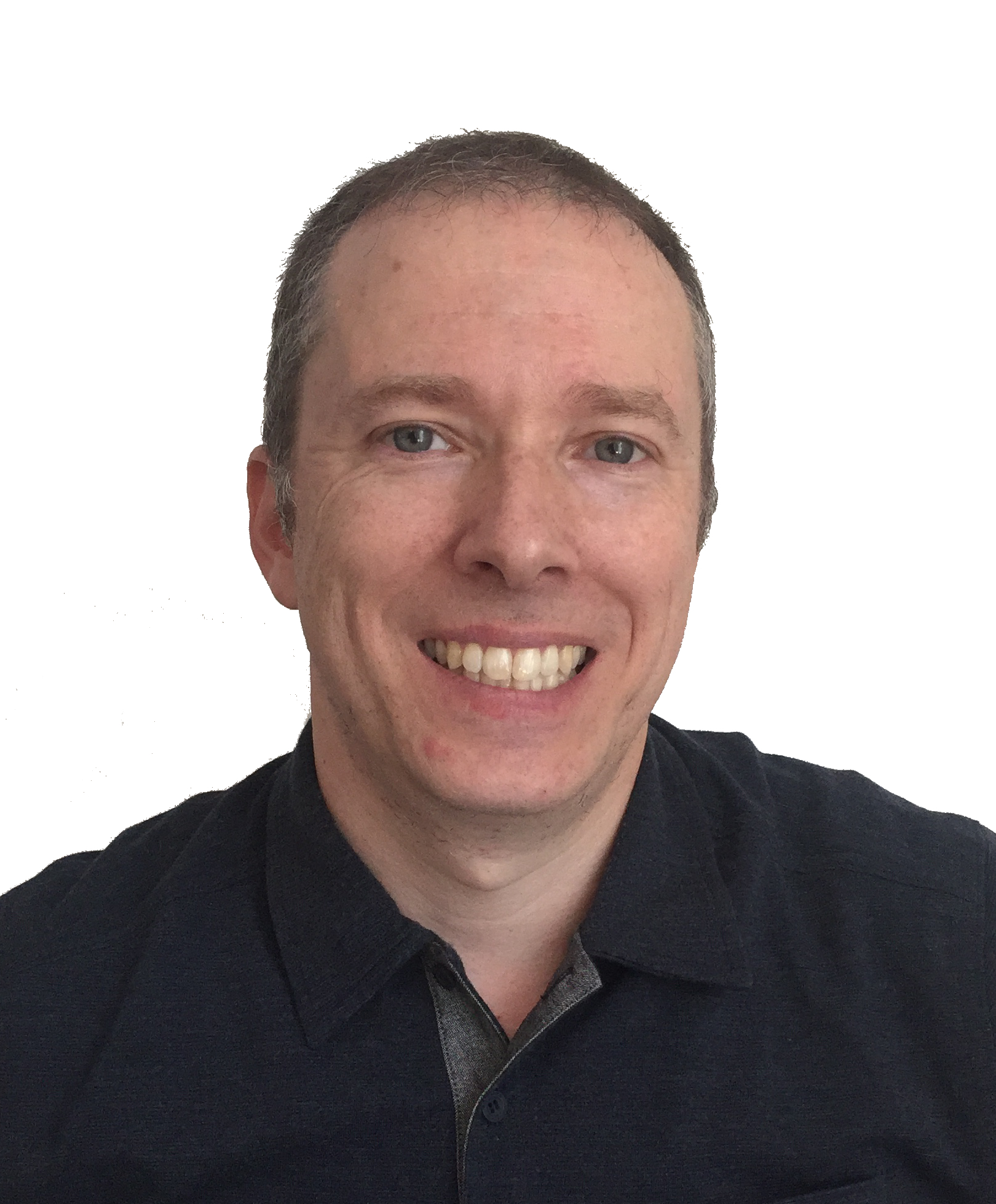 Alex Satz, Senior Director, DEL Strategy and Operations, Research Services Division, WuXi AppTec
Senior Director, DEL Strategy and Operations
WuXi AppTecAlex Satz has 14+ years experience building DEL platforms, and is currently the senior director of DEL strategy and operations at WuXi AppTec. Prior to WuXi AppTec, Alex led the Roche DEL platform in Basel Switzerland, and helped to develop the first industrial-scale DEL platform at Praecis Pharmaceuticals & GlaxoSmithKline.
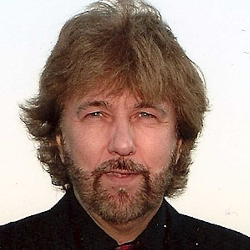 Tomi K. Sawyer, PhD, Founder, Maestro Therapeutics & President, Peptide Drug Hunting Consortium (PDHC)
President
Maestro TherapeuticsTomi is Founding Chief Drug Hunter and President of Maestro Therapeutics, an emerging R&D enterprise dedicated to transforming and accelerating peptide modality therapeutics. Most recently, Tomi was a Distinguished Scientist, Global Chemistry at Merck & Company where he led a Peptide Drug Hunter Network. Prior to joining Merck & Company in 2014, Tomi was the Founding Chief Scientific Officer at Aileron Therapeutics from 2007 to 2013 and Senior Vice President of Drug Discovery at Ariad Pharmaceuticals (recently acquired by Takeda for $5.2B) from 1997 to 2006. He is credited with building a stapled peptide technology platform at Aileron Therapeutics as well as driving a $1.1B strategic R&D collaboration with Roche Pharma. He is a peptide, peptidomimetic, de novo nonpeptide, small molecule and natural product drug hunter and has contributed to the discovery of three marketed drugs (Scenesse®, Iclusig® and Ridaforolimus), a Phase II clinical candidate (ALRN-6924) and preclinical development of renin inhibitors, HIV protease inhibitors, Src SH2 antagonists, and dual Src/Bcr-Abl kinase inhibitor. Tomi is credited with >600 scientific publications, patents, and presentations. He holds Adjunct Professorship and/or Scientific Advisory Board appointments at the University of Massachusetts, the University of Arizona and Northeastern University Center for Drug Discovery.
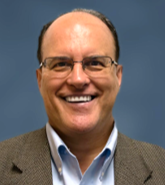 Erik Schaefer, President, AssayQuant Technologies
President
AssayQuant TechnologiesDr. Schaefer has over 20 years of experience at Life Science tool companies integrating innovative technologies to accelerate discovery and drug development. His expertise is in elucidating the role of protein kinases and phosphatases in normal and disease states. Dr. Schaefer received his BA in Zoology & Biochemistry from the University of Maine and his Ph.D. in Microbiology & Molecular Biology, from The Robert Larner, M.D. College of Medicine at The University of Vermont.
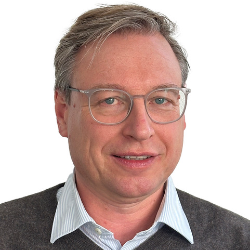 Jörg Scheuermann, PhD, Professor, Department of Chemistry & Applied Biosciences, ETH Zurich
Professor
ETH ZurichJörg Scheuermann studied Chemistry at the University of Heidelberg (Germany) and at the ETH Zurich (Switzerland). He performed his Ph.D. studies at the ETH Zurich under the supervision of Prof. Dario Neri working on the identification of novel small binding molecules to markers of angiogenesis. In 2002, with the renaissance of the idea of DNA-encoded Chemical Libraries, together with Dario Neri he pioneered DNA-encoded Chemical Library (DEL) technology with the setup and development of Encoded Self-Assembling Chemical (ESAC) Libraries. He continued working with Dario Neri on innovating DEL technology, he co-authored >80 peer-reviewed publications on DEL (together with Dario Neri he holds the highest publication track record in the field) and he is co-inventor of 3 DEL-related patents. In 2018 he wrote his habilitation thesis on "DNA-Encoded Chemical Library Technology for Drug Discovery†and received his Venia legendi and teaches various classes at ETH Zurich in the fields of Drug Discovery and Gene Technology. Jörg currently is Principle Investigator at the ETH Zurich heading the group "DNA-encoded libraries/DEL technology) with 1 senior scientist, 2 postdoctoral fellows and 5 PhD students. Jörg is co-founder and organizer of the “International Symposium on DNA-Encoded Chemical Librariesâ€, a yearly alternating event between ETH Zurich/Switzerland, Boston/US and Shanghai/China. Jörg's main research interests lie in the innovation of DEL technology, e.g., the development of novel DEL architectures, selection methodologies and the tailored construction of DELs for difficult targets. Recently, he conceived and published a novel DEL technology ("PureDEL"), which allows for creating very large and diverse libraries of chemically synthesized macrocycles.
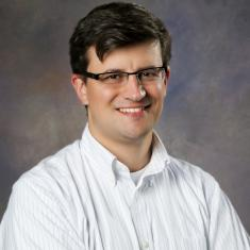 Jay Schneekloth Jr., PhD, Professor, Department of Biological Chemistry, University of Michigan
Professor
University of MichiganJohn Schneekloth Jr., (Jay) received his undergraduate training at Dartmouth College. After receiving a Ph.D. with Craig Crews at Yale University, he pursued a postdoctoral fellowship with Erik Sorensen at Princeton University. He began his independent career at the NIH, where he is a Senior Investigator and Head of the Chemical Genetics Section in the Chemical Biology Laboratory at the National Cancer Institute. Jay's laboratory studies nucleic acids as targets for small molecules, with an emphasis on understanding RNA as a target.
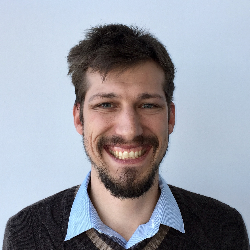 Gottfried Schroeder, PhD, Associate Principal Scientist, Quantitative Biosciences, Merck & Co., Inc.
Associate Principal Scientist
Merck & CoDr. Gottfried Schroeder joined the Biochemistry and Biophysics group at MSD (Boston, MA) in 2012. Since that time Gottfried has applied a wide range of biophysical techniques coupled with automation to projects in multiple disease areas from the early discovery through preclinical candidate space. These efforts encompassed small-scale screening to in-depth mechanism of action studies, including several clinical assets. In 2015, Gottfried assumed a leadership role in surface plasmon resonance (SPR) at the Boston site providing continued support for multiple preclinical and clinical programs spanning small molecule, peptide, and oligonucleotide modalities. Dr. Schroeder received his doctorate (UNC-Chapel Hill) under Richard Wolfenden with a focus on enzymology and biophysics. His postdoctoral work at UT-Austin with Chris Whitman and Kenneth Johnson (collaboration) centered on advanced transient state kinetics methods and enzyme mechanism. Gottfried’s current interests include further integration and application of SPR data to the drug discovery process.
 Phillip Schwartz, PhD, Director, Biophysics, Septerna
Director
SepternaAfter receiving his Bachelor’s degree in Chemistry and Biochemistry at Virginia Tech, Dr. Schwartz joined the Enzyme Institute in the Biochemistry department at the University of Wisconsin-Madison as a doctoral student. In the laboratory of Perry Frey, he studied enzymology, where he specialized in spectroscopy and radical cofactor chemistry. After receiving his PhD, Dr. Schwartz did a postdoctoral fellowship at the Albert Einstein College of Medicine, where he characterized the transition states of ribosyl transfer enzymes by solving multiple kinetic isotope effects. Following Einstein, he took a postdoctoral fellowship at Pfizer-San Diego, where he investigated protein oxidation and its effect on irreversible inhibition kinetics. Subsequently, he joined Takeda California, where he studied mechanistic enzymology and biophysics with a specialization in SPR spectroscopy. Dr. Schwartz has recently joined Septerna, where he applies his expertise in Biophysics to assess drug-target interactions of GPCRs.
 Yugal Sharma, Senior Director, Custom Solutions, CAS
Senior Director
CASDr. Sharma: PhD in Biophysics from the University of Cincinnati and over 15-years’ experience applying data science and machine learning approaches in healthcare from the NIH, to start-ups, and consulting firms. Today, he is the Sr. Director for CAS Custom Solutions creating tailored approaches for your unique scientific information challenges.
 Eric Shi, PhD, Investigator, Encoded Library Technologies, GlaxoSmithKline
Team Leader
GlaxoSmithKlineI am working on platform technologies at GlaxoSmithKline Boston site as an investigator and team leader to support drug discovery. Prior to my work at GlaxoSmithKline, I was a senior research scientist in the Analytical & Biophysical department at Aileron Therapeutics, where I was working on peptide drug discovery and development. Before I worked in pharmaceutical industry, I was a postdoc at Harvard and RIKEN/YCU in Japan. I graduated from Shenyang Pharmaceutical University. So far, I have sixteen years of experience in development and application of biophysical and analytical technologies in academia and pharmaceutical industry and published more than 20 scientific papers and book chapters and received awards in international academic conferences.
 Gregg Siegal, CEO, ZoBio
CEO
ZoBioGregg Siegal obtained his Ph.D. in eukaryotic DNA replication at U. of Rochester, USA with post-Doc’s in protein NMR at the ETH(CH) and the Ludwig Institute of Cancer Research(UK). He moved to Leiden University (NL) in 1997 to form a research group. In 2004 he spun out ZoBio, a CRO in Fragment Based Drug Discovery and is the CEO. He is also professor of Biophysical Techniques for Drug Discovery at the Free University, Amsterdam, NL.
 Justyna Sikorska, PhD, Associate Principal Scientist, Mass Spectrometry & Biophysics, Merck Sharp & Dohme (MSD)
Associate Principal Scientist
Merck Sharp & Dohme (MSD)Justyna Sikorska is an NMR spectroscopist with her research interests comprising different aspects of the drug discovery process. Justyna completed her MS in the Faculty of Pharmacy, Medical University of Warsaw (2007), and her PhD in the Kerry McPhail group at the College of Pharmacy, Oregon State University (2012). During this time, her research was centered around natural product drug discovery and application of numerous spectroscopic techniques to screening, isolation, structure elucidation of natural products. In 2012 Justyna moved to EMBL Heidelberg to join Teresa Carlomagno group and worked on the application of Intermolecular NOEs for Pharmacophore Mapping (INPHARMA) method enabling determination of the ligand-binding mode. Since 2016, she is a member of the BioNMR group at Merck, where her research focuses on the implementation of NMR to various aspects of the drug discovery process.
 Yochi Slonim, Co-Founder & CEO, Anima Biotech, Inc.
Co Founder & CEO
Anima Biotech Inc.Yochi Slonim is a serial entrepreneur with a track record of over 30 years in software and biotech. As a Co-founder and CEO, he is driving the company's vision and strategy, fundraising, and partnering. Prior to Anima, Yochi has built several companies from their early stage, through all stages of product development, marketing, and sales and eventually turned them into successful large exits. He was a co-founder of Mercury Interactive. As CTO and VP R&D from the company's early days, he created product vision and strategy and led a multi-product organization of 200 developers. After going public and reaching revenues of over $1B annually, Mercury was acquired by HP for $4.5B. As Senior VP of products and marketing for Tecnomatix, a public NASDAQ company, he led a 500 people organization of 4 divisions that generated revenues of $100m until the company was acquired by UGS for $230m. In 2000, Yochi was founder and CEO of Identify. The company reached revenues of $50m in less than 5 years and was acquired by BMC in 2006 for $150m in cash. Yochi founded ffwd.me, a unique startup acceleration program where he led a team that worked with over 25 startups in diverse areas and technologies, developing strategy, products and go to market operations while raising multiple rounds of financing from VCs and private investors.
Whitney Smith, Director, Business Development, Collaborative Drug Discovery
Director
Collaborative Drug Discovery
 Jasleen Sodhi, Graduate Student, Lab of Dr. Leslie Benet, Bioengineering & Therapeutic Sciences, University of California San Francisco
Graduate Student Lab of Dr Leslie Benet
Univ of California San FranciscoJasleen Sodhi is an experienced DPMK research scientist and PhD candidate at the University of California San Francisco in the laboratory of Dr. Leslie Benet. Her research focuses on improving the in vitro to in vivo extrapolation of hepatic clearance with consideration of the heterogeneous nature of the liver. Following completion of her undergraduate degree at University of California Berkeley, Jasleen worked the next 9 years as a research scientist in the pharmaceutical industry, initially at a small cancer diagnostic biotech company and then at Genentech in the department of Drug Metabolism and Pharmacokinetics.
 Maria Soloveychik, PhD, Co-Founder & CEO, SyntheX
Co Founder & CEO
SyntheXDr. Maria Soloveychik is the Co-Founder and CEO of SyntheX, a therapeutics company focused on accelerating drug discovery using synthetic biology. The company’s core technologies, ToRPPIDO and ToRNeDO, rely on genetic engineering and evolutionary selection to synthesize and identify compounds that disrupt protein-protein interactions or lead to selective target degradation. SyntheX was founded in 2016 and is located in San Francisco. Maria has obtained her PhD from the department of Molecular Genetics at the University of Toronto, where she discovered novel pathways linking metabolism and epigenetic signaling. Maria was previously a research scientist at a structural genomics consortium at the University Health Network, where her work led to the determination of numerous structures and identification of several drug candidates.
 Sang Ok Song, PhD, Co-Founder & Chief Transformation Officer, Standigm, Inc.
Co Founder & Chief Transformation Officer
Standigm Inc.As the co-founder and Chief Transformation Officer of Standigm which is an AI-driven drug discovery company, Sang Ok Song, PhD is responsible for design, application and validation of AI models at the interface of AI and biology in order to enhance and accelerate drug discovery. Prior to Standigm, Sang Ok was leading a variety of computational biology activities including bioinformatics research and mathematical modeling for drug discovery at the biotherapeutics lab of the Samsung Advanced Institute of Technology. Sang Ok has an extensive research experience in mathematical and computational modeling and analysis of chemical, biological systems with leading institutions and organizations, including Cornell University, University of Pittsburgh Medical center. He received a PhD in Chemical engineering from Seoul National University, applying statistical/machine learning algorithms to chemical process monitoring and control.
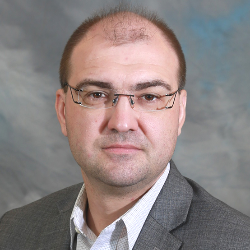 Alexander Statsyuk, PhD, Assistant Professor, Department of Pharmacological and Pharmaceutical Sciences, University of Houston
Asst Prof
University of HoustonAlexander Statsyuk is an assistant professor at the University of Houston College of Pharmacy. He obtained his PhD degree at the University of Chicago in 2006, where he synthesized natural product Bistramide A and established its mode of action in cells. He then completed his postdoctoral work at UCSF, where he was working on the development of chemical cross-linkers to identify upstream kinases of protein phosphorylation sites. Since 2010 he has been running his independent research program aimed at discovering drug leads targeting degradation pathways such as ubiquitin-proteasome system and autophagy. He is an author of 32 manuscripts, he filed 10 patent applications, and he is a recipient of Pew Scholar Award. Some of the technologies that he and his group have developed and patented include covalent fragments, novel probes UbFluor to conduct HTS screens to discover E3 ligase inhibitors, activators, and hijackers, and E3-Substrate cross-linkers useful to study E3-Substrate interactions in vitro and to validate E3-Substrate hijackers in vitro.
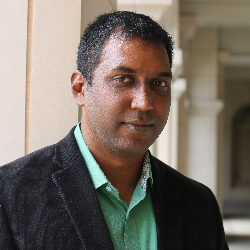 S. Joshua Swamidass, Associate Professor, Pathology & Immunology, Washington University
Assoc Prof
Washington UniversityS. Joshua Swamidass MD PhD is a physician scientist and professor at Washington University in Saint Louis. His group is funded by the NIH to model bioactivation pathways in order to understand drug toxicity, and how alterations these pathways increase the risk of children to some medicines. http://swami.wustl.edu/
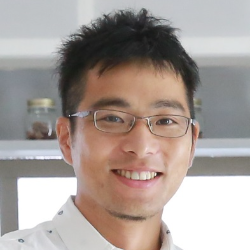 Takafumi Takai, PhD, Senior Scientist, Discovery Toxicology & Drug Safety Research & Eval, Takeda California Inc.
Sr Scientist
Takeda California IncTakafumi Takai is a Senior Scientist in Discovery Toxicology group at Takeda California, where he develops chemistry-related safety strategy in drug discovery stage, mainly using in silico and in vitro approaches.
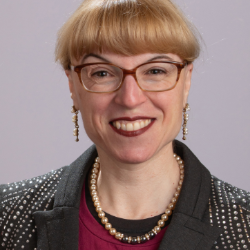 Maricel Torrent, PhD, Principal Research Scientist, Computational Drug Discovery, AbbVie, Inc.
Principal Research Scientist
AbbVie IncResult-oriented Computational Chemist with more than two decades of pharma industry experience in the application of Molecular Modeling to small molecule drug discovery. Key player in global pharmaceutical companies, Merck, Abbott, AbbVie. Technical skills and scientific strengths include 3D- and 2D-, ligand-based and structure-based drug design, as well as data mining and analysis. Strong competence as a team player, team builder, mentor, and group leader. Excels at creatively solving challenging problems that require tenacity and drive, and that involve multiple experts. Co-author of more than 90 peer-reviewed scientific articles and patents; two book chapters.
 Anup Upadhyay, Senior Scientist III, Drug Discovery Science & Technology, AbbVie Inc.
Principal Research Scientist I
AbbVie IncDr. Upadhyay is a Principal Research Scientist in the Protein & Assay Sciences group at AbbVie. In his current role at AbbVie, he is involved with different small molecule protein targets to enable lead identification, validation as well as Structure and Fragment-Based Drug Discovery. He has a PhD in biophysics and years of research experience studying structural and functional properties of various soluble and membrane protein targets.
 Jennifer D. Venable, PhD, Senior Director, Discovery Chemistry Site Head, Janssen La Jolla
Senior Director and Site Head
Janssen La JollaJennifer Venable is a Senior Scientific Director in Medicinal Chemistry at Janssen Research & Development, based in San Diego, CA where she is the Site Head of Discovery Chemistry. Her current primary responsibility is to drive delivery of small molecule clinical candidates and the Targeted Protein Degradation Platform within Janssen across therapeutic areas including Immunology, Neuroscience and Oncology. She received her PhD in organic chemistry from The University of Texas at Austin under the direction of Professor Phil Magnus in 2001. Subsequently, she joined the Janssen immunology group in La Jolla as a medicinal chemist in 2002 focusing on the discovery of small molecule ligands for kinases, GPCR, transporter, and protein-protein interaction targets. With over 15 years of industrial experience, Jennifer is a successful drug discovery leader with a track record of delivering development candidates that have entered the clinic. As a project leader across immunology programs, she has developed broad drug design knowledge targeting oral, inhaled, GI-targeting, and irreversible therapies. She has leveraged her expertise in medicinal chemistry, organic synthesis, SBDD, PK/PD relationships, and ADME optimization in working with multi-disciplinary cross-functional teams both internally and externally.
 Dmitry Veprintsev, Professor, Molecular & Cellular Pharmacology, University of Nottingham; Co-Founder and CEO, Z7 Biotech Ltd.
Professor
University of NottinghamDmitry is Professor of Molecular and Cellular Pharmacology at the Centre of Membrane Proteins and Receptors (COMPARE), University of Nottingham. Dmitry provides leadership in structural and biophysical pharmacology of G protein coupled receptors. Following a PhD in protein folding at the Russian Academy of Sciences and at the Ohio State University, USA, he joined the MRC Centre for Protein Engineering and later at the RC Laboratory of Molecular Biology in Cambridge, UK as a postdoctoral fellow and as a staff scientist, on the biophysical studies of the tumor suppressor p53. In 2010 he became a group leader at the Paul Scherrer Institute and ETH Zürich in Switzerland where focused his research on G protein-coupled receptors (GPCRs). In 2017 Dmitry joined COMPARE, a joined venture between the University of Birmingham and the University of Nottingham. In 2021 he co-founded Z7 Biotech, a CRO developing and providing innovative GPCR drug screening and precision pharmacology services.
 Jenny Viklund, Director, Protein Science & Drug Design, Sprint Biosciences
Director
Sprint BiosciencesChemistry project leader for the Vps34 project, from fragment hit to in vivo PoC. Responsible for development of the Sprint Bioscience fragment screening platform, as well as enabling and driving drug design and data analysis. Prior to joining Sprint Bioscience eight years ago, also working ten years as a computational chemist at AstraZeneca, Sweden.
 Frank von Delft, PhD, Professor, Centre for Medicines Discovery and Principal Beamline Scientist, Diamond Light Source, University of Oxford
Professor
University of OxfordFrank von Delft is Professor of Structural Chemical Biology at the University of Oxford, where he heads the Protein Crystallography group of the Structural Genomics Consortium; and Principal Beamline Scientist at Diamond Light Source, head of the I04-1 experimental station and the associated XChem programme for fragment screening. He is also Visiting Professor at the Department of Biochemistry at the University of Johannesburg. After studying biochemistry, chemistry and applied mathematics in Bloemfontein, South Africa, he completed his PhD in crystallography at Cambridge under Tom Blundell, followed by postdoctoral work in high-throughput crystallography at the JCSG in San Diego at the Scripps Institute, as well as Syrrx, Inc. As structural biologist, he is seeking to reshape how protein structure determination transforms rational drug design, by developing and making the new methodologies and tools available through platforms and products to ensure they are widely and routinely used by researchers world-wide. His long-term programme is to shrink by two orders of magnitude the time and cost required to develop small molecule inhibitors, by combining national facilities, artificial intelligence, robotics and cloud-based open access science, in order to make the bespoke design of inhibitors a consistently cheap, fast and widely-used approach in biology and medicine.
He leads three research facilities that serve large user communities, are critical to multiple large, international research networks, and provide the outlet for wide-spread use of his methodologies. At Oxford for the Structural Genomics Consortium (SGC), he runs the crystallography infrastructure that serves 100s of researchers. At Diamond Light Source, beamline I04-1 is used by at least 100 crystallography groups annually, and the world-first XChem facility seeds 30 academic and industrial drug discovery experiments annually with high-quality data. He has authored or co-authored well over 100 publications, and is co-applicant on multiple large international initiatives totalling over $80m.
 Domagoj Vucic, PhD, Principal Fellow, Immunology Discovery, Genentech
Principal Fellow
GenentechDomagoj Vucic, PhD, is a Principal Fellow and a Project Team Leader at Genentech in South San Francisco, USA. He obtained a BS from the University of Zagreb, Croatia, and a PhD from the University of Georgia, USA. He completed postdoctoral training in the laboratory of Dr. Vishva Dixit. Domagoj’s laboratory investigates the biological role of modulators of signaling pathways, and their involvement in cellular processes triggered by TNF family ligands and other pro-inflammatory stimuli. At Genentech, he leads an effort to develop compounds that target select kinases and ubiquitin ligases for blocking uncontrolled inflammatory responses and/or enhancement of the survival of damaged cells and tissues.
 Charles Wartchow, PhD, Formerly Associate Director, Discovery Sciences, Novartis Institutes for BioMedical Research
Associate DirectorCharles Wartchow is a collaborative, multi-disciplinary scientist with expertise in protein biochemistry, organic chemistry, and analytical methods. His focus at Novartis was early-stage drug discovery, with an emphasis on hit-finding, hit validation and the characterization of ligands, glues and bifunctional molecules for targeted-protein degradation.
 Marla Weetall, PhD, Senior Vice President, Pharmacology and Biomarkers, PTC Therapeutics
Senior VP
PTC Therapeutics IncDr. M. Weetall has worked in the pharmaceutical/ biotechnology industry for more than 25 years, first at Sandoz/ Novartis and now at PTC Therapeutics, Inc. She is the Vice President of Pharmacology and Biomarkers at PTC Therapeutics and has contributed to the discovery and development of a range of compounds that have gone into the clinic including risdiplam. With a strong-interest in PK-PD she has worked to utilize PK-PD early in discovery to shorten the time for the drug discovery process. This also includes the identification of potential clinical biomarkers in the preclinical drug discovery process than can be utilized early in Clinical Development to demonstrate proof-of-concept. She is the author of more than 60 peer-reviewed papers and included as a contributor on more than 30 patents.
 Adrian Whitty, PhD, Associate Professor, Department of Chemistry and Department of Pharmacology, Physiology & Biophysics, Boston University
Associate Professor
Boston UniversityDr. Whitty is Associate Professor in the Department of Chemistry, Boston University, where he joined the faculty in 2008. He spent the previous 14 years at the biopharmaceutical company Biogen, most recently as Director of Physical Biochemistry, where he led a group responsible for the structural, biophysical, and mechanistic study of drug targets and of protein and small-molecule drug candidates. He obtained a BSc in Chemistry at King’s College, University of London, and a PhD in Organic Chemistry at the University of Illinois at Chicago, after which he performed postdoctoral work at Brandeis University with Professor William P. Jencks FRS before joining Biogen in 1993. A major focus of his current research is the development of approaches for the discovery of small-molecule inhibitors that block protein-protein interactions, and especially the use of macrocycles and cyclic peptides. A second area of research is the quantitative analysis of activation and signaling mechanism of growth factor receptors, primarily using as a model system the receptor tyrosine kinase RET.
 Bing Xia, PhD, Investigator, R&D Medicinal Science & Technology, GlaxoSmithKline
Investigator
GlaxoSmithKlineDr. Bing XIA received his BS in chemistry from the Lanzhou University (China). He completed his PhD graduate work at the Boston University with the widely recognized photochemist, Guilford Jones (pathogen detection, dipolar [3+2] photocycloadditions via ESIPT in collaboration with Professor John Porco, natural product total synthesis, and charge transfer in biomimetic and bioinspired systems). In 2008, Bing joined Encoded Library Technologies (ELTs) at GSK where he has played a key role in a variety of projects, IDO1 and PDE12 for example, across wide range of therapeutic areas. Bing then focused on development of on-DNA chemistry, design and synthesis of on-DNA library, and High-Throughput Binder Confirmation (HTBC). Meanwhile, Bing coinvented a novel cleavable linker for HTBC, which solved critical tech challenges and met urgent business needs. While with GSK, Bing has already won 3 Exceptional Science Awards, 2 Cool Chemistry Finalists, 5 Silver awards and numerous Bronze Awards. Bing published about 20 articles and patents in various fields in esteemed journals, such as Nature Comm., JACS, J. Med. Chem., Organic Letters, J. Clinical Microbiology, J. Biological Chemistry and J. Physical Chemistry.
 Chao-Tsung Yang, Principal Scientist, Research & Development, Eurofins Discovery
Principal Scientist
Eurofins DiscoveryDr. Yang obtained his doctoral degree of Developmental Genetics from Washington University School of Medicine and completed his post-doctoral training at immune response to baterial infection at University of Washington. He started developing transgenetic tools using cutting-edge technologies at Janelia HHMI at Janelia Research Campus. Currently, he is a Principal Scientist at R&D DiscoverX Eurofins, leading genome engineering on cell assay development.
 Fredrik R. Zetterberg, PhD, Director, Medicinal Chemistry, Galecto Biotech AB
Director
Galecto Biotech ABFredrik Zetterberg for 6 years has been Director of Medicinal Chemistry at Galecto Biotech, a small biotech company focused on the development of galectin inhibitors for treatment of fibrosis, inflammation and cancer. He obtained his Master of Science degree from Gothenburg University 1994, PhD from Uppsala University 1998 working with Professor David Tanner and Professor Pher G. Andersson, and then moved on to work for AstraZeneca. There he contributed in different roles to several clinical candidates in the cardiovascular and metabolic field. He also discovered Cleviprex® (clevidipine) during a university project work in collaboration with Astra. In addition, he is co-supervisor of PhD students, advisory board member for a Master program in Medicinal chemistry and regular guest lecturer at Lund University. He is author and inventor on >70 publications, patents, posters and oral presentations at international conferences.
 Guangrong Zheng, PhD, Associate Professor, Medicinal Chemistry, University of Florida Gainesville
Assoc Prof
Univ Of Florida GainesvilleDr. Guangrong Zheng is an Associate Professor in the Department of Medicinal Chemistry at the University of Florida. His group focuses on the development of senolytic agents as potential treatments of age-related diseases, ligands for novel E3 ligases, and small-molecule targeted protein degraders. Dr. Zheng received his Ph.D. in Organic Chemistry from Shanghai Institute of Materia Medica and B.S. in Medicinal Chemistry from Fudan University.
 Wenjin Zhou, PhD, Assistant Professor, Computer Science, University of Massachusetts Lowell
Asst Prof
Univ Of Massachusetts Lowell